An Istanbul ferry crossing the Bosphorus at sunset

Türkiye

Where East meets West, in history and in landscape

Mount Kazbek and Gergeti Trinity Church above Stepantsminda

Georgia

Green valleys, snow peaks and Caucasian hospitality

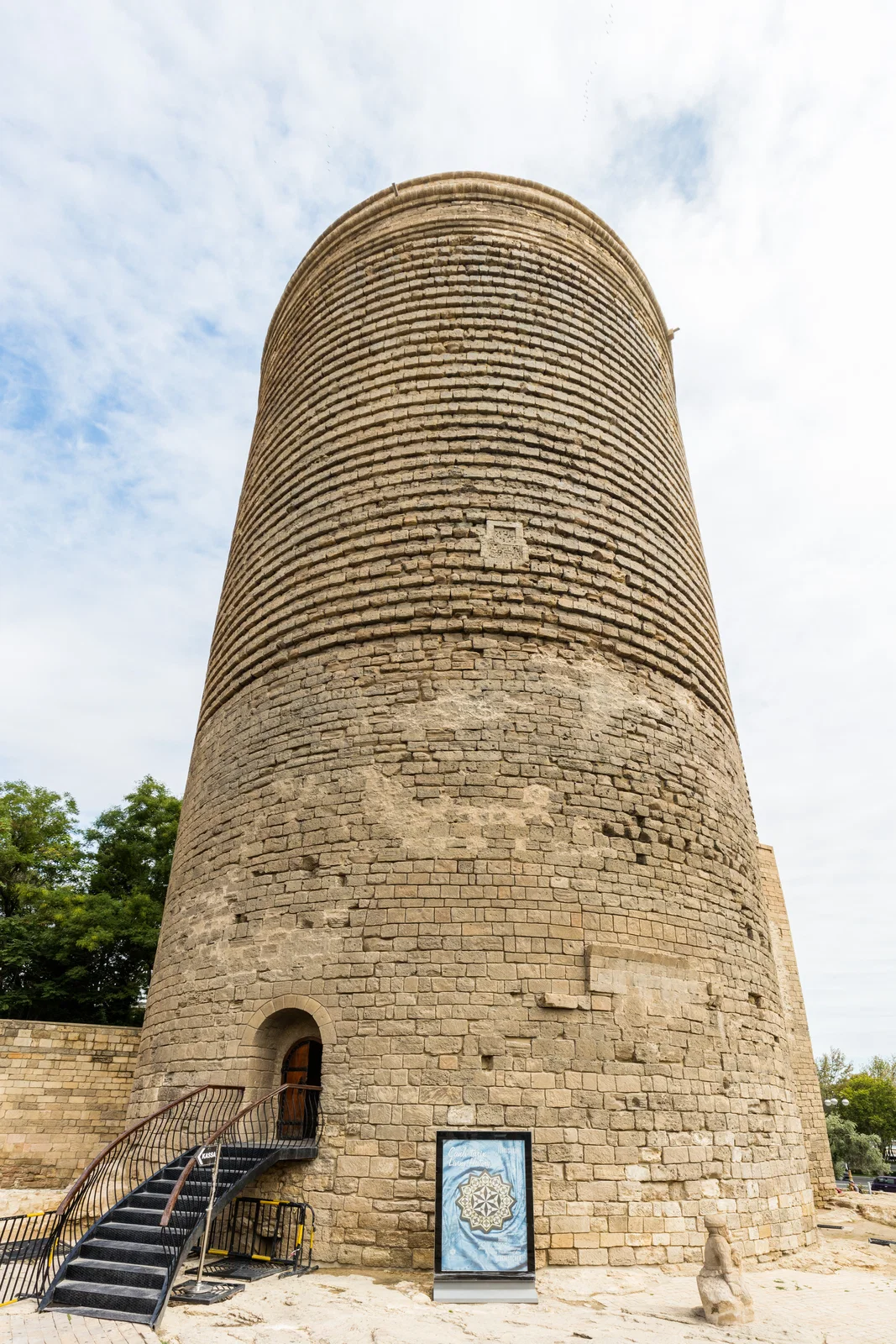
The Maiden Tower and the gardens of Baku's Old City at dusk

Azerbaijan

The Land of Fire, where East meets West

Positano's coloured houses on the cliffs above the sea, Amalfi Coast

Italy

An open-air museum of elegance and fine food

The Matterhorn reflected in the Riffelsee above Zermatt

Switzerland

Alpine peaks, clear lakes and quiet luxury

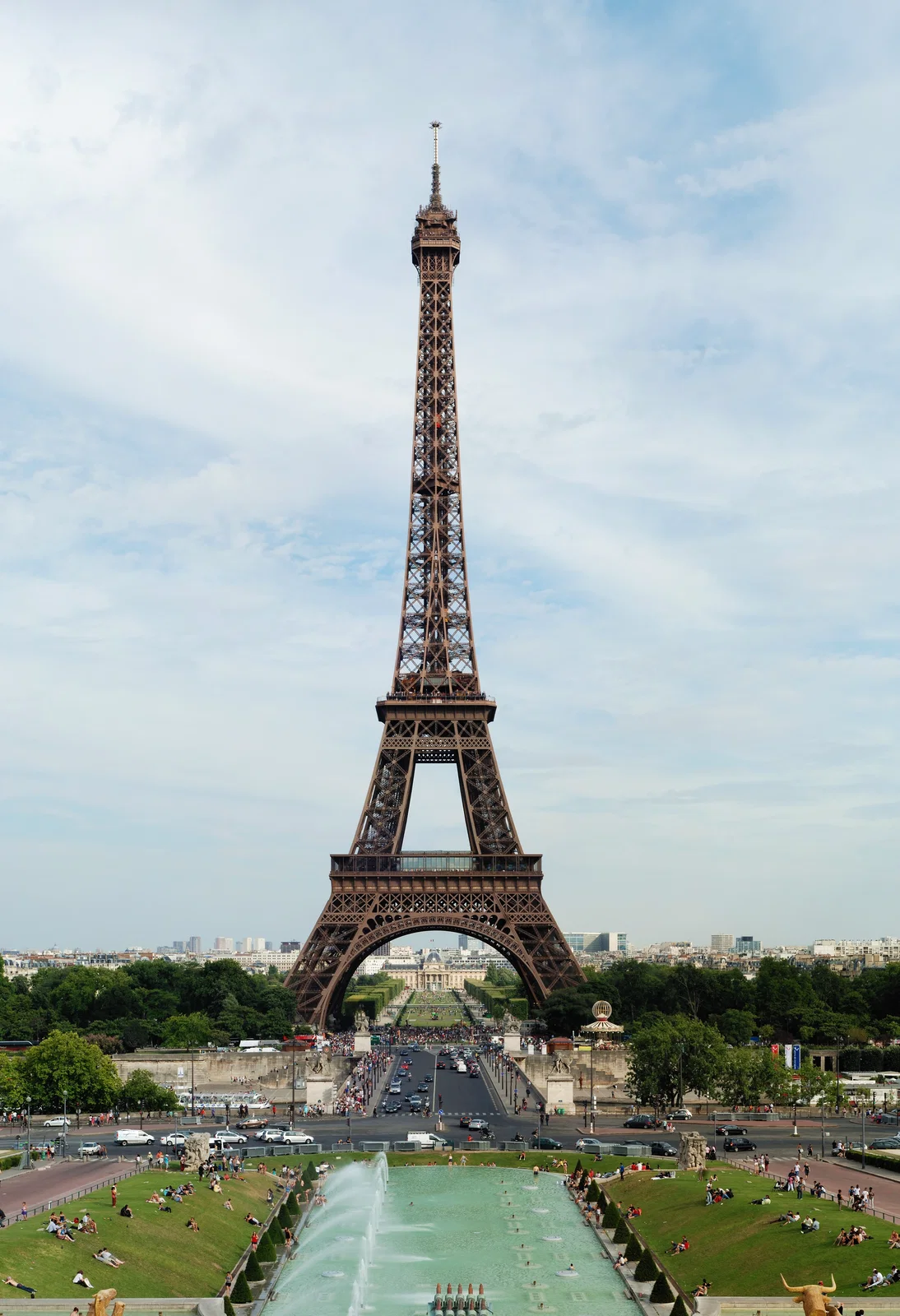
The Seine at sunset by the Pont Alexandre III, Paris

France

The home of perfume and art, and a European charm that never fades

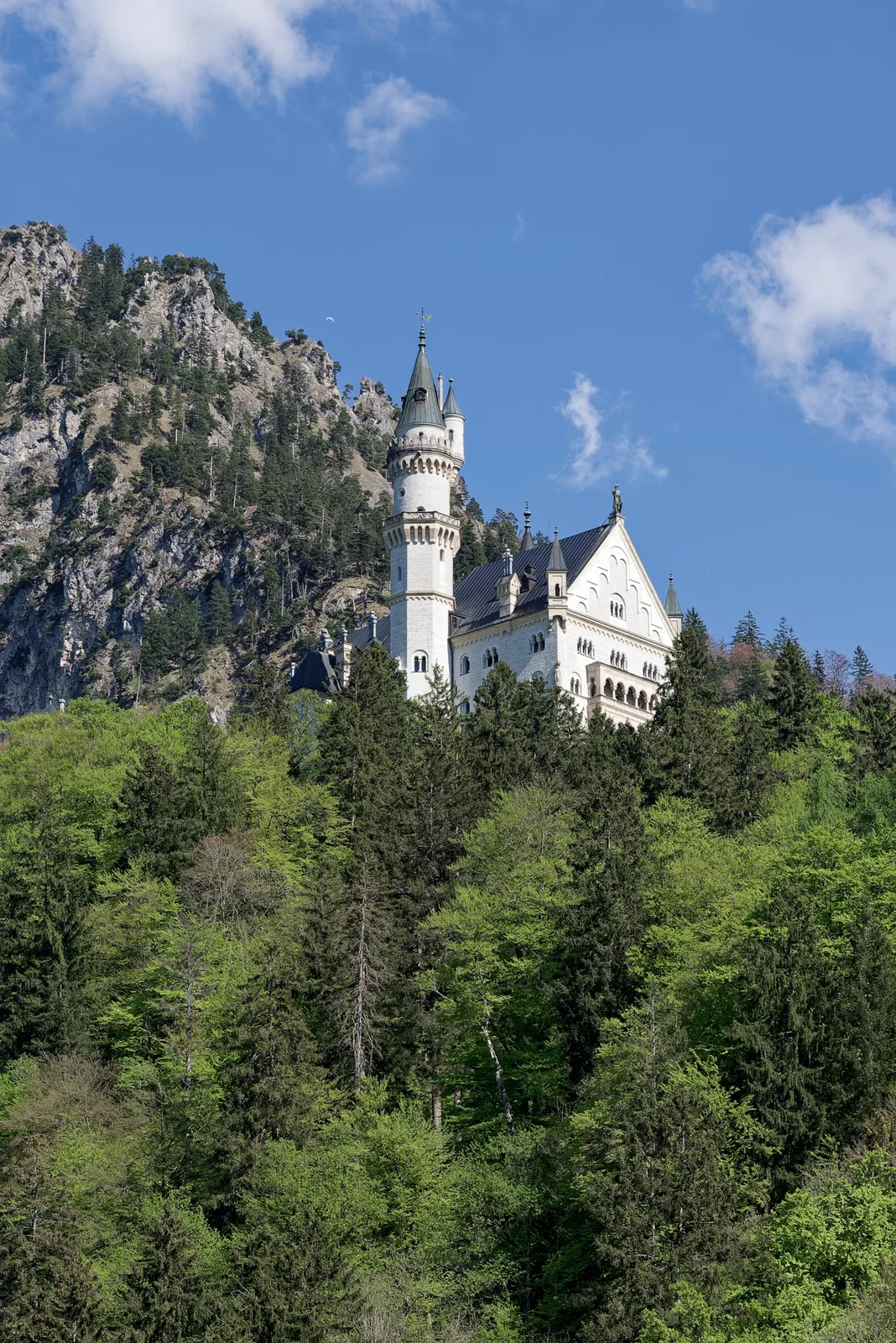
Neuschwanstein Castle above Hohenschwangau in the Bavarian Alps

Germany

The heart of Europe, alive with a long past and modern invention

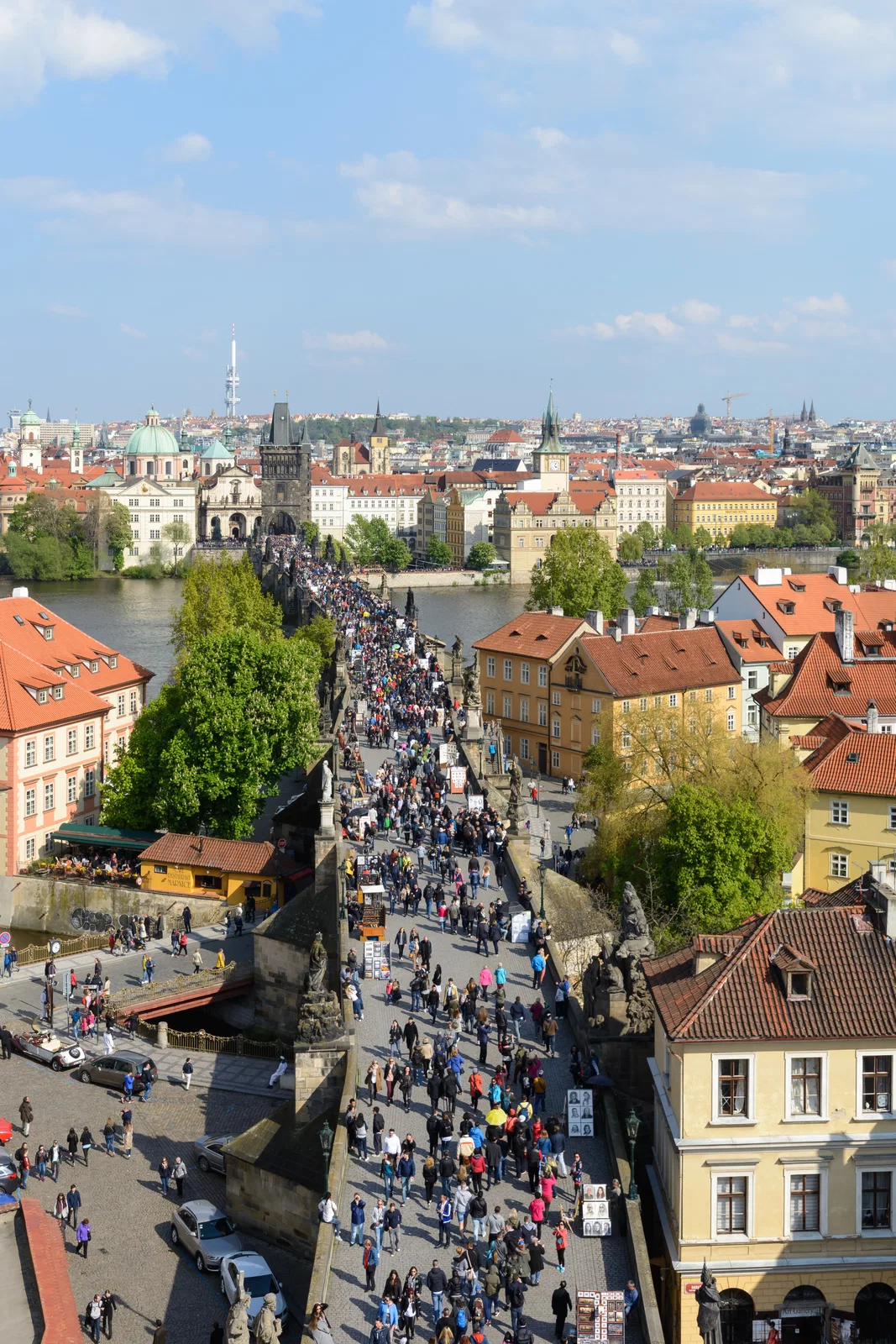
Prague Castle and St Vitus Cathedral above the Vltava

Czechia

The heart of Europe, alive with fairy-tale castles and history

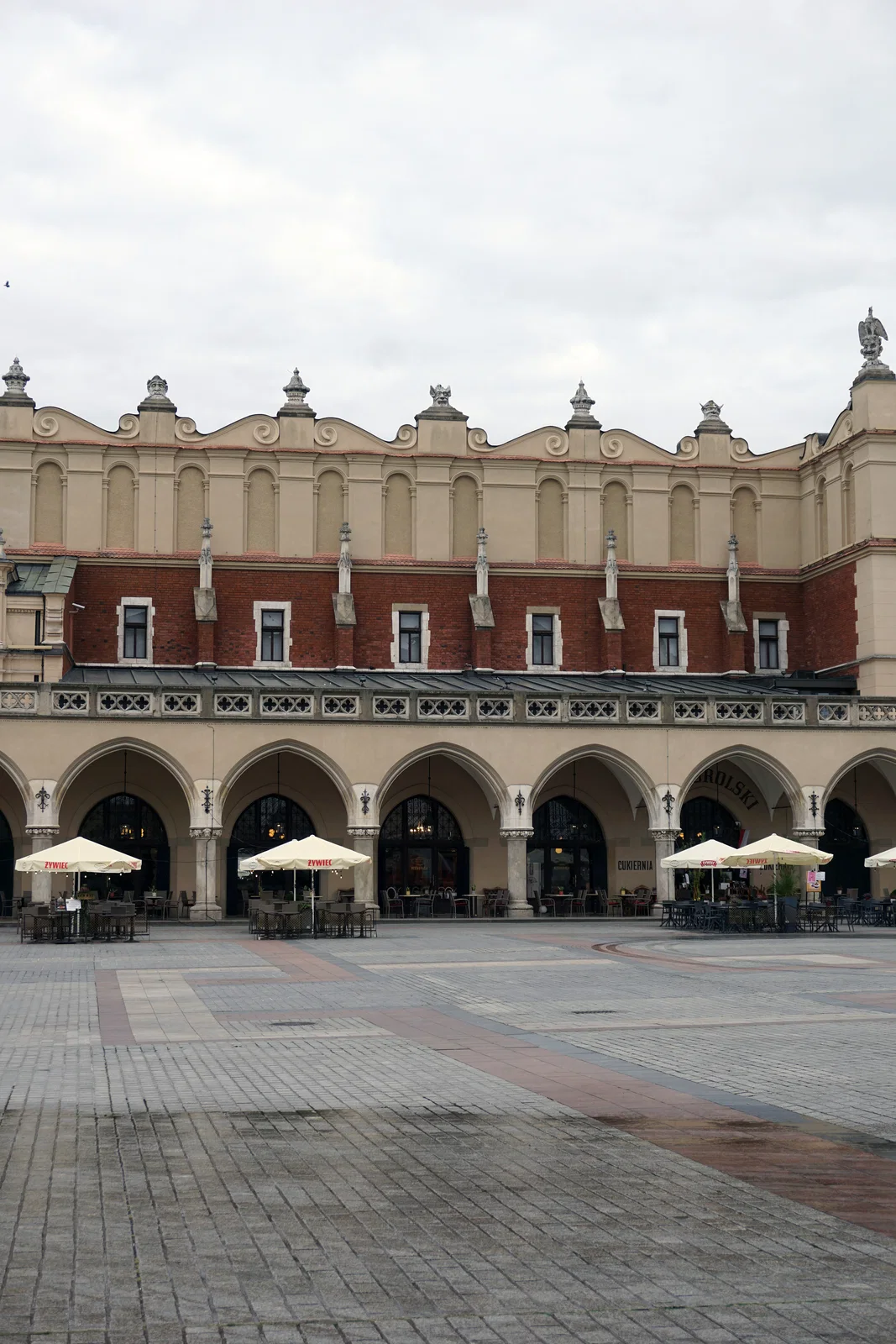
Wawel Castle and Cathedral above the Vistula in Kraków

Poland

Central Europe's historic jewel, where history lives on

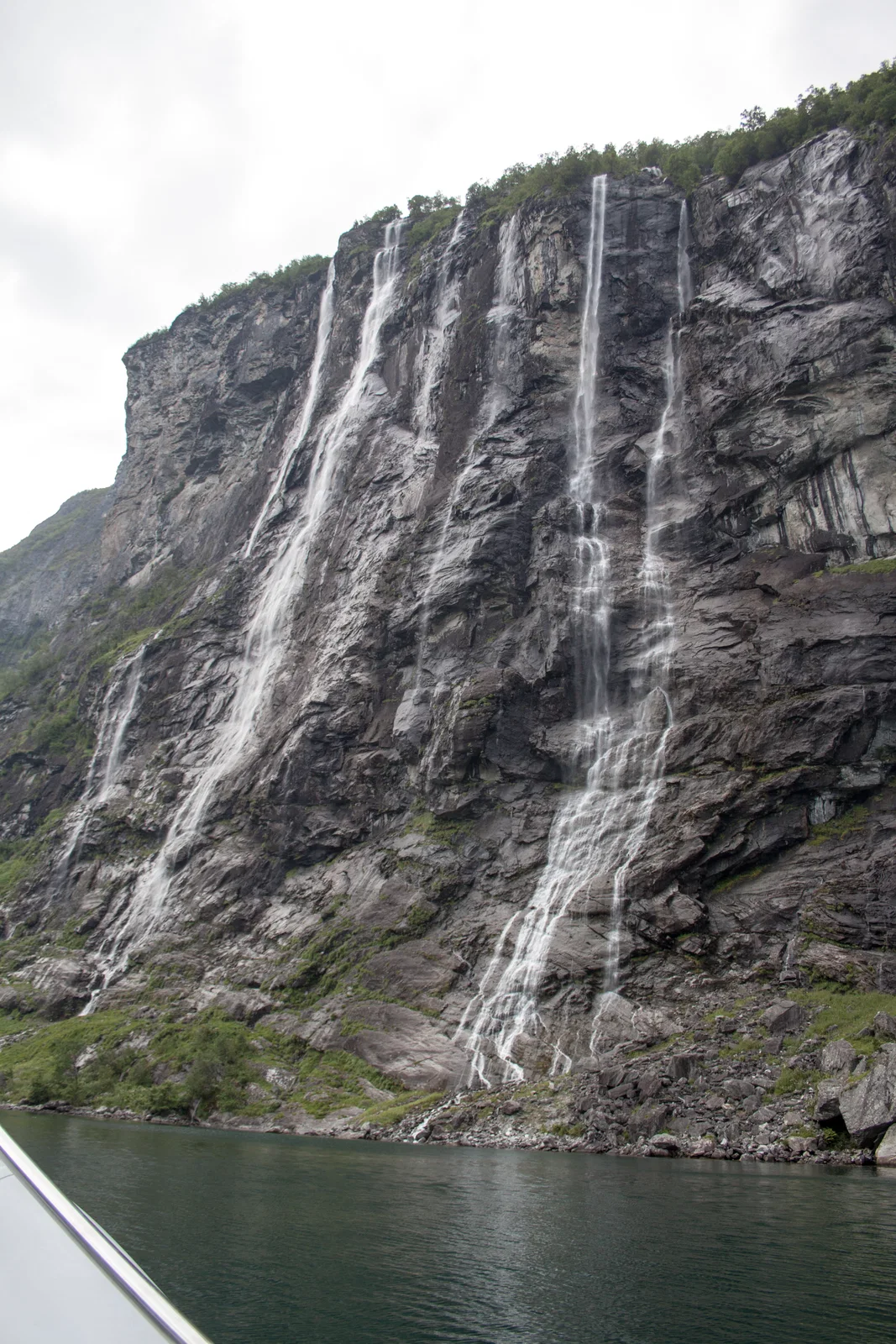
The Geirangerfjord seen from the Eagle's Bend on a June day, green slopes falling to the water

Norway

Land of fjords and northern lights

Nyhavn's painted houses and wooden boats reflected in the canal at sunset

Denmark

Home of hygge and Scandinavian design

Riddarholmen and its church spire lit at blue hour across the water in Stockholm

Sweden

Scandinavia's jewel and the nature of the north

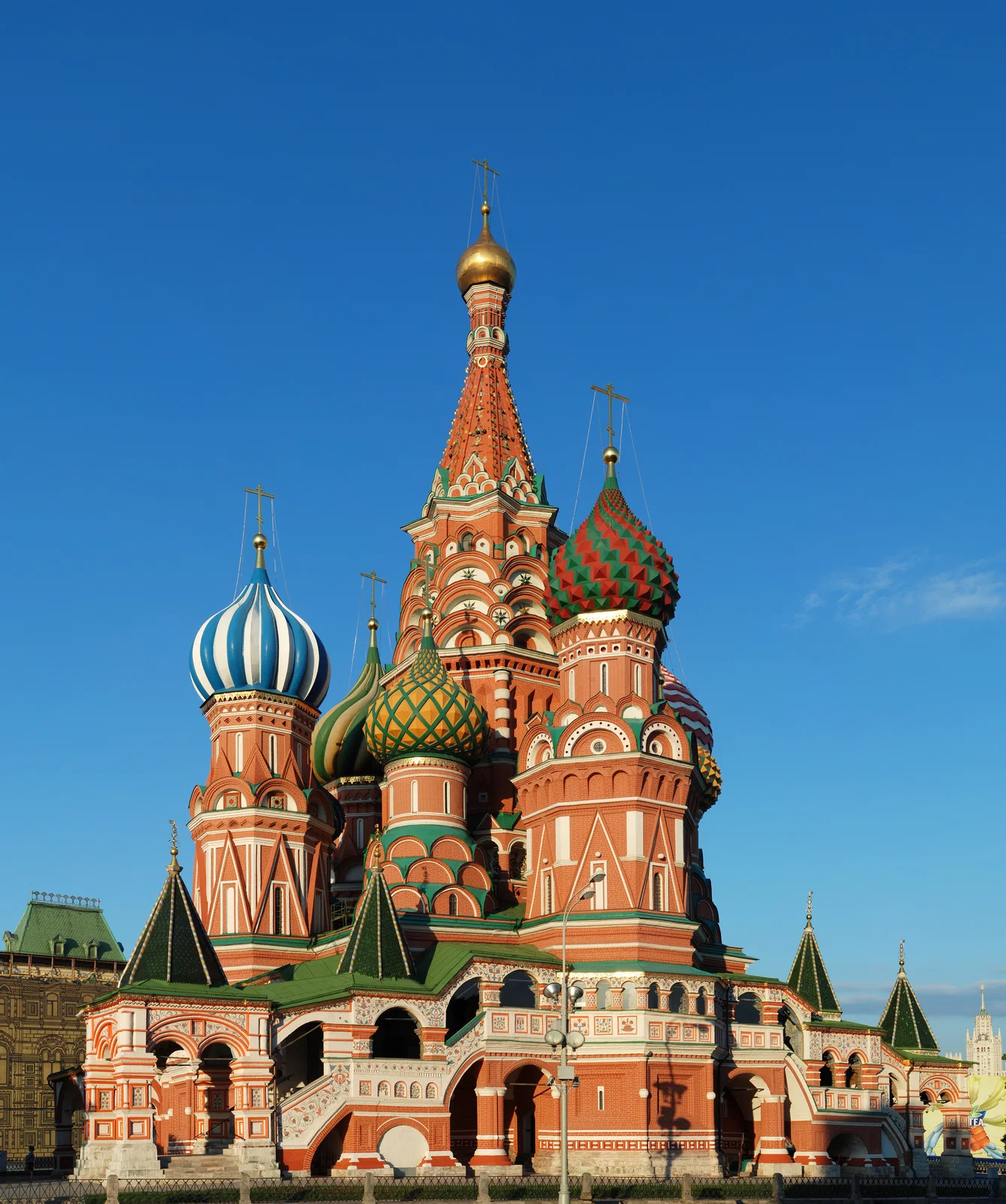
The Moscow Kremlin and its towers lit at dusk, reflected in the Moskva river

Russia

The secrets of the tsars, on a grand scale

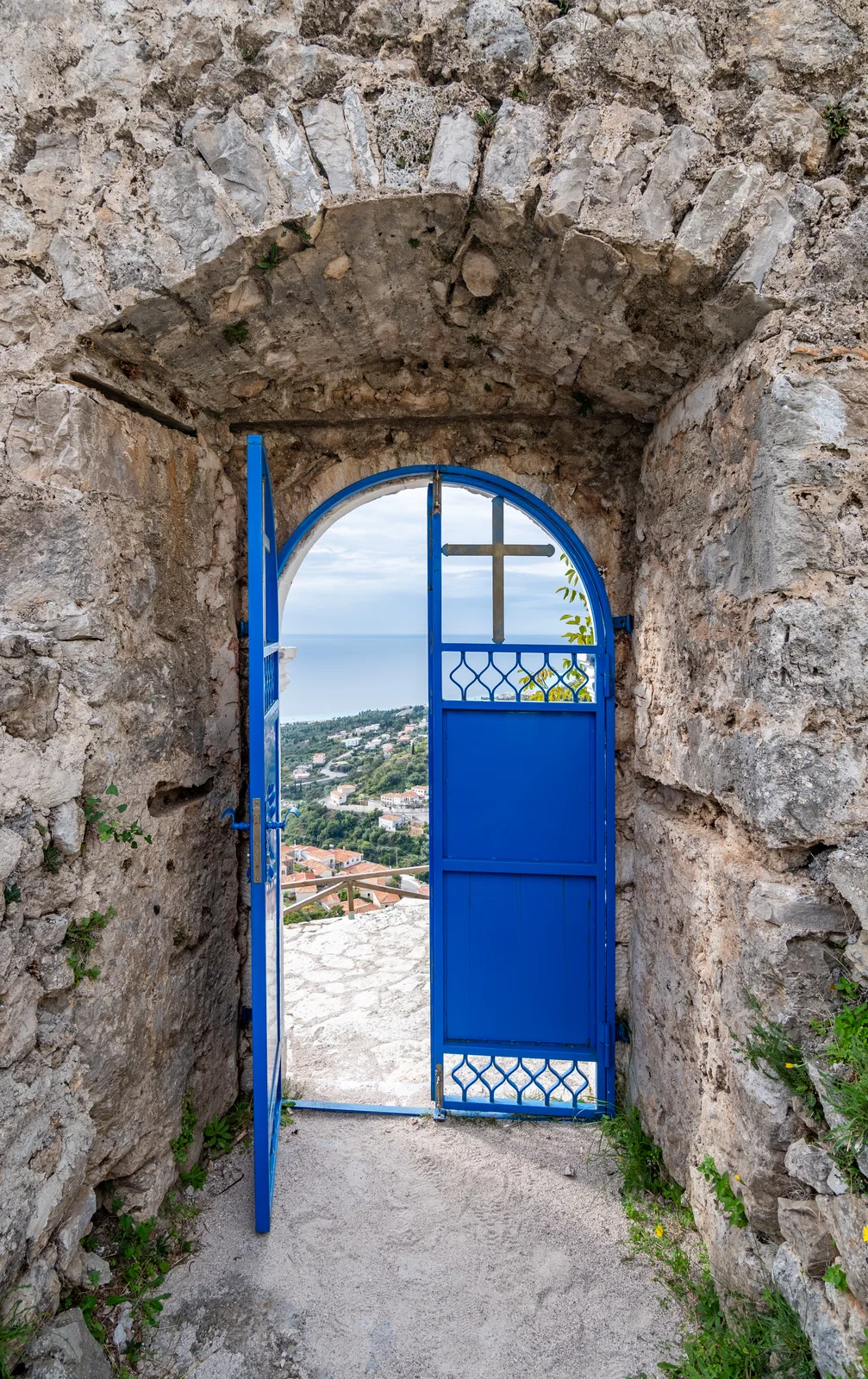
Turquoise water and a wooded islet off the beach at Ksamil on the Ionian coast

Albania

The Ionian coast and the Ottoman stone towns

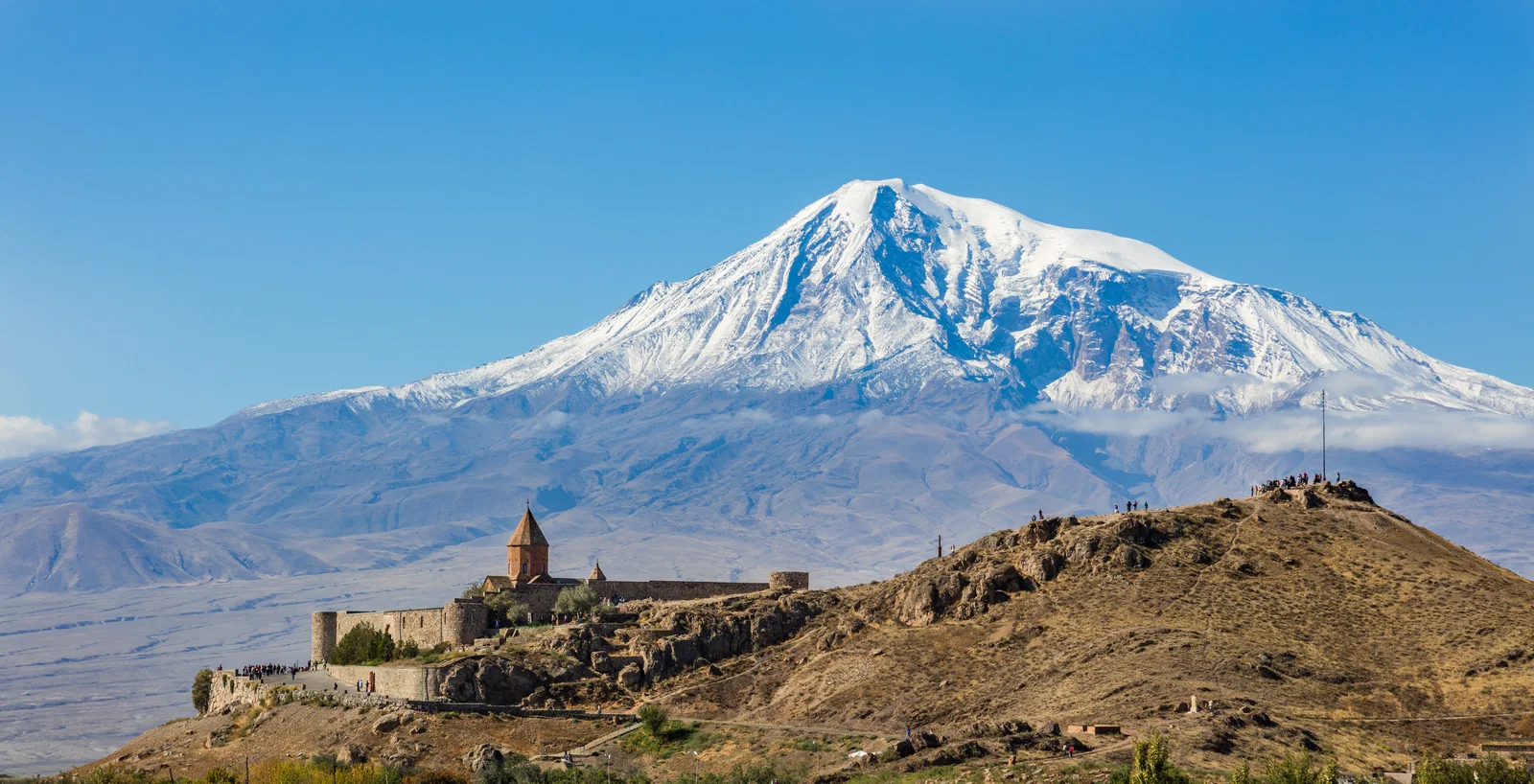
Yerevan's rooftops beneath the snow-capped twin peaks of Mount Ararat

Armenia

Caucasus nature and the charm of history

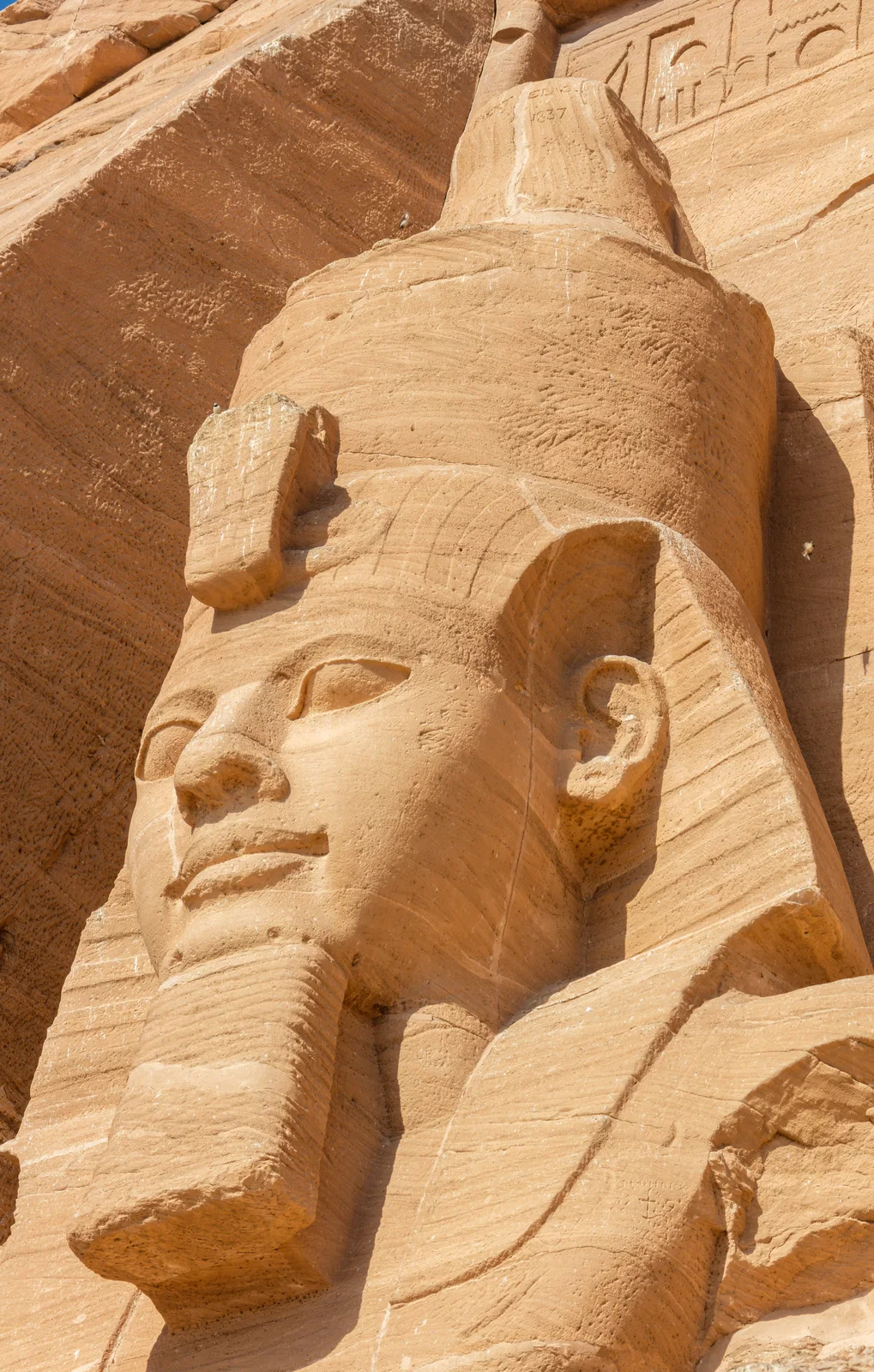
The three pyramids of Giza and the queens' pyramids in the desert

Egypt

The cradle of civilisation, the Nile and the Red Sea

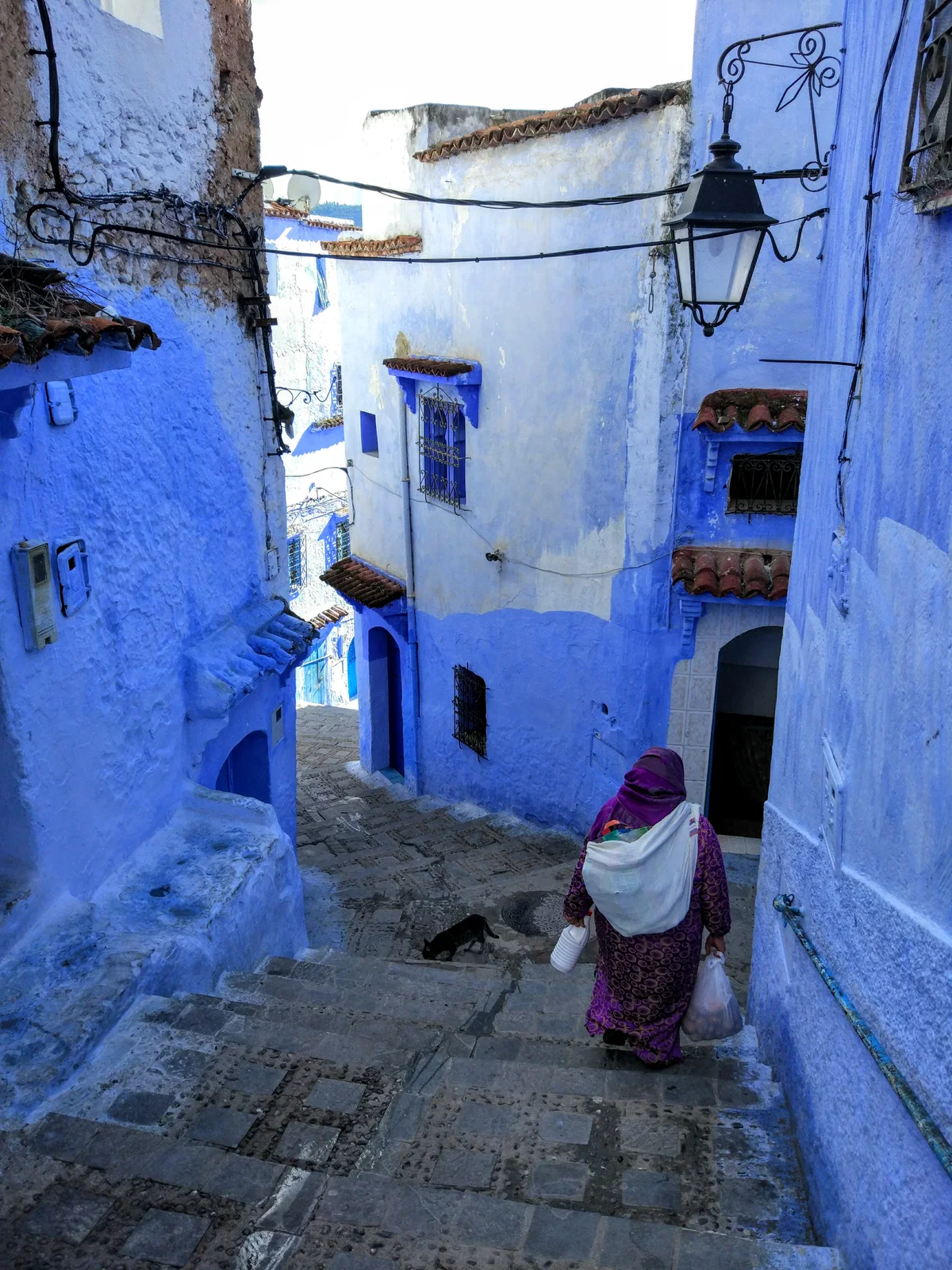
Chefchaouen's blue medina below the Rif mountains

Morocco

Africa's enchanting gateway, where heritage meets the modern

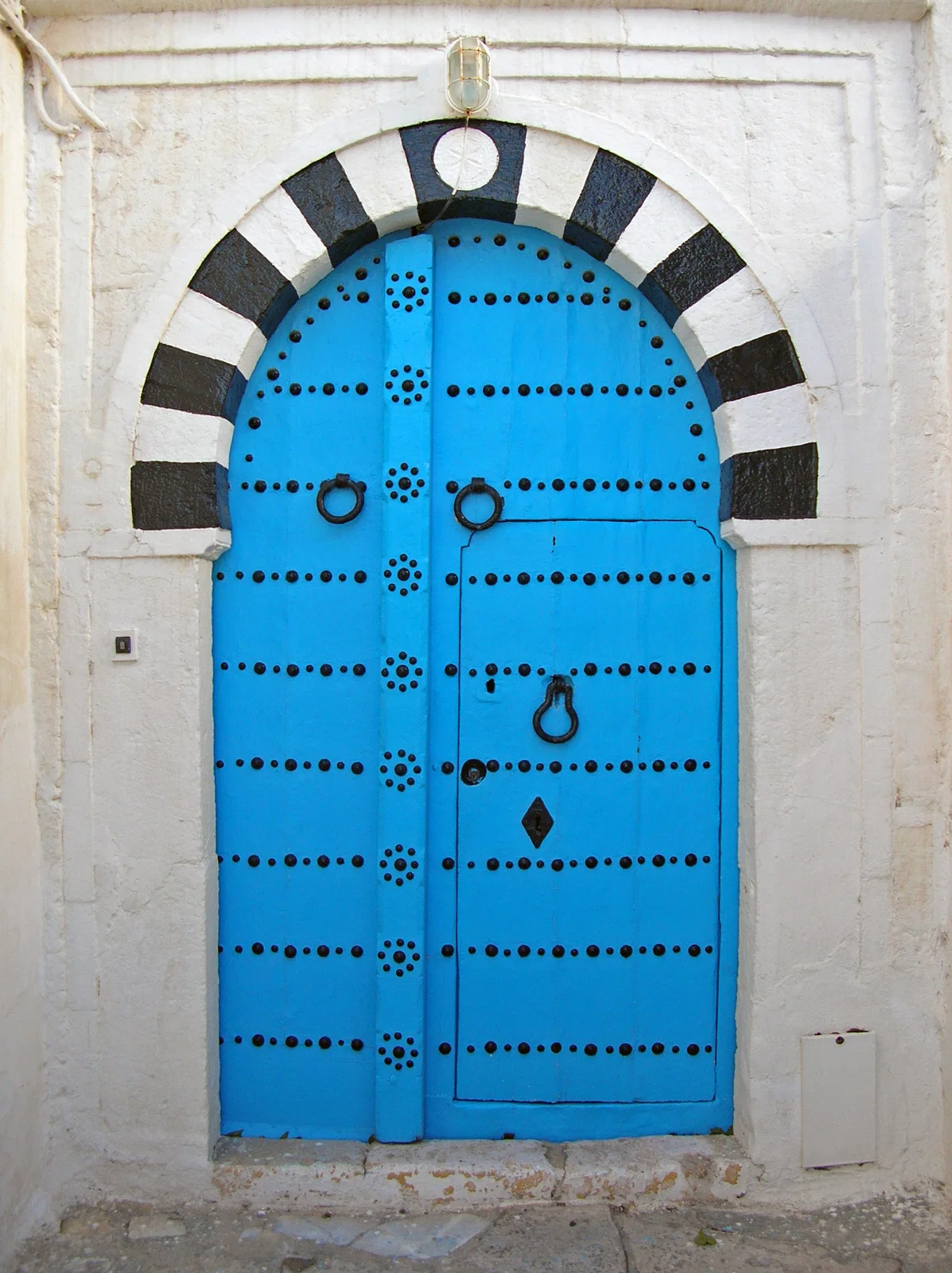
Sidi Bou Said's white houses and minaret above the Gulf of Tunis

Tunisia

The green land of the Mediterranean, cradle of civilisations, home of Carthage

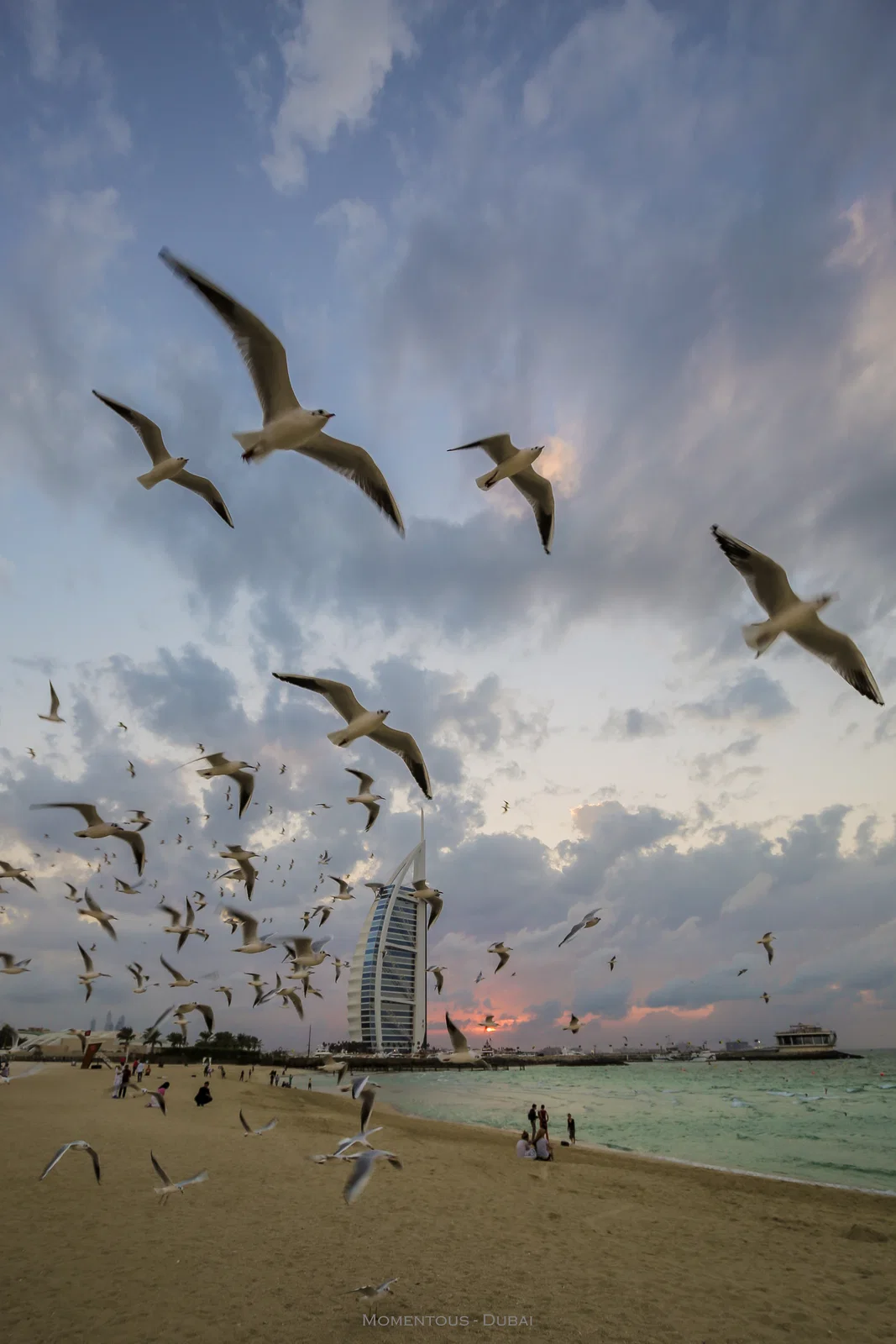
Dubai skyline with Burj Khalifa reflected in still water at dusk

The United Arab Emirates

Modern wonders, two hours from home

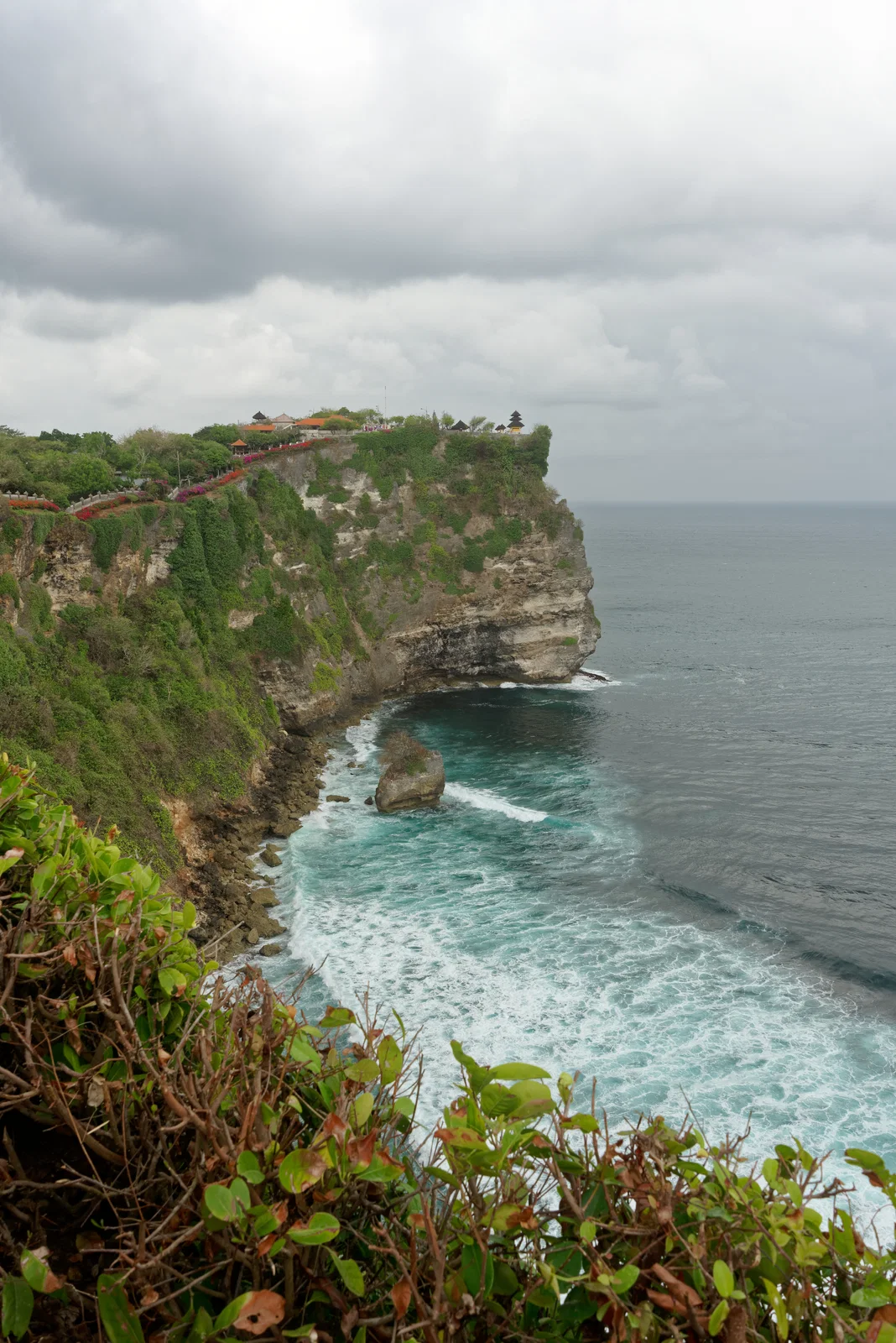
Tegallalang rice terraces near Ubud, Bali, framed by coconut palms

Indonesia

Where untouched nature meets the spirit of Asia

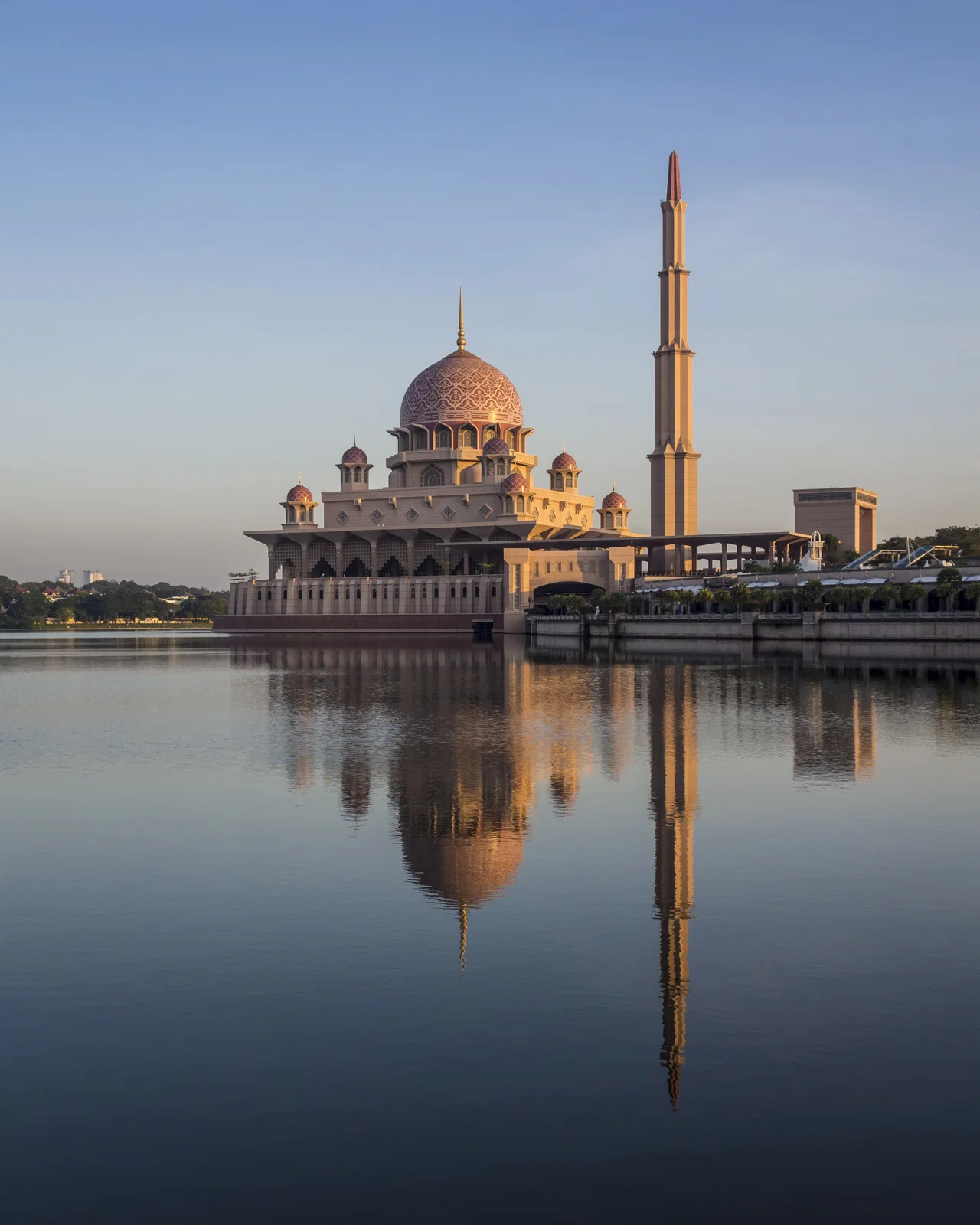
The Petronas Twin Towers, Kuala Lumpur

Malaysia

Cultural variety and modern cities in the heart of tropical nature

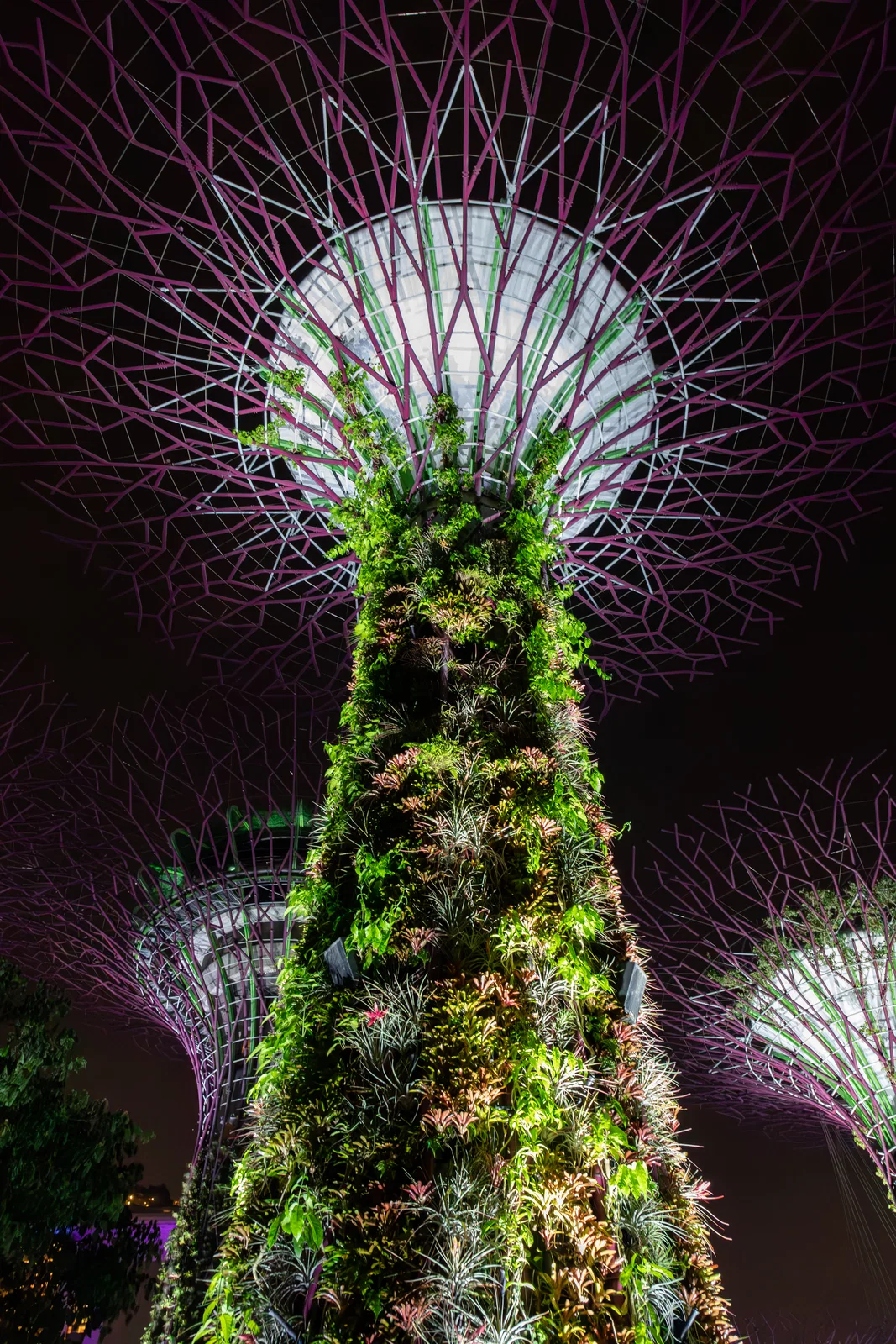
The Singapore skyline across Marina Bay at sunset

Singapore

A city of the future, polished and orderly, at the heart of Asia

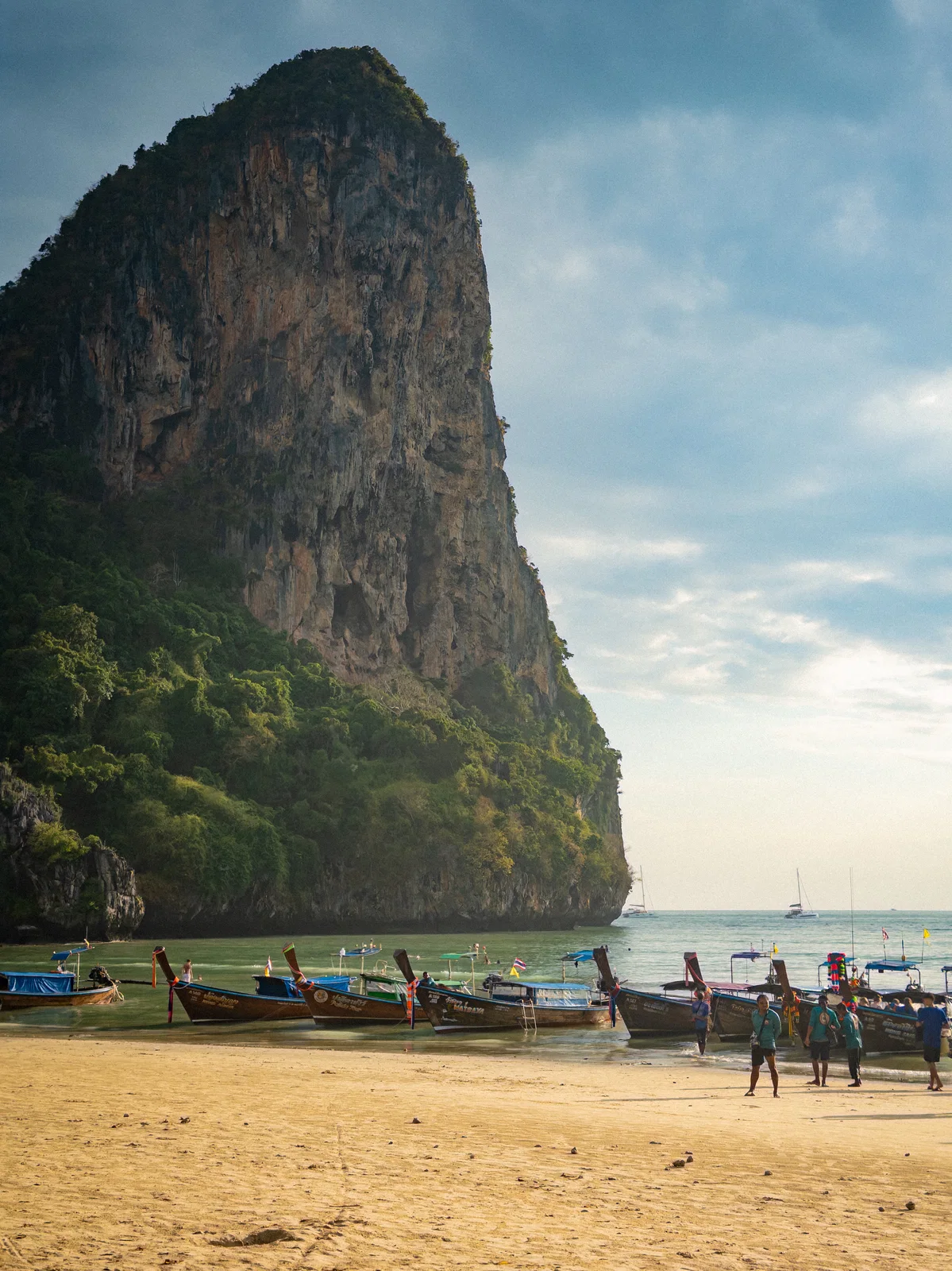
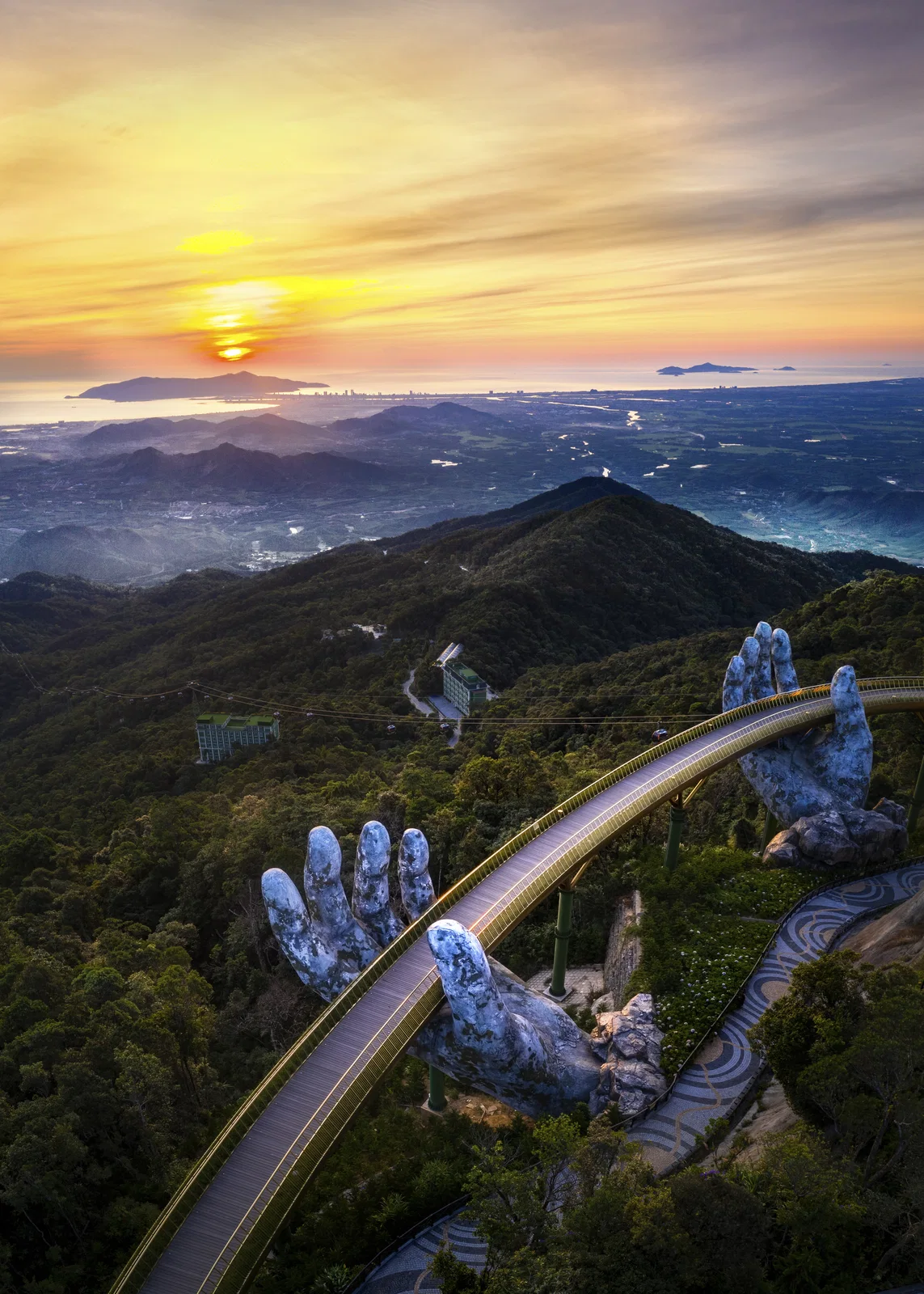
Aerial view of Phang Nga Bay, its limestone islands rising from the sea above mangrove channels

Thailand

The land of smiles: tropical shores and a living culture

Panorama of Ha Long Bay's limestone islands seen from Ti Top island

Vietnam

The legends of Ha Long Bay, Asian heritage and dramatic landscapes

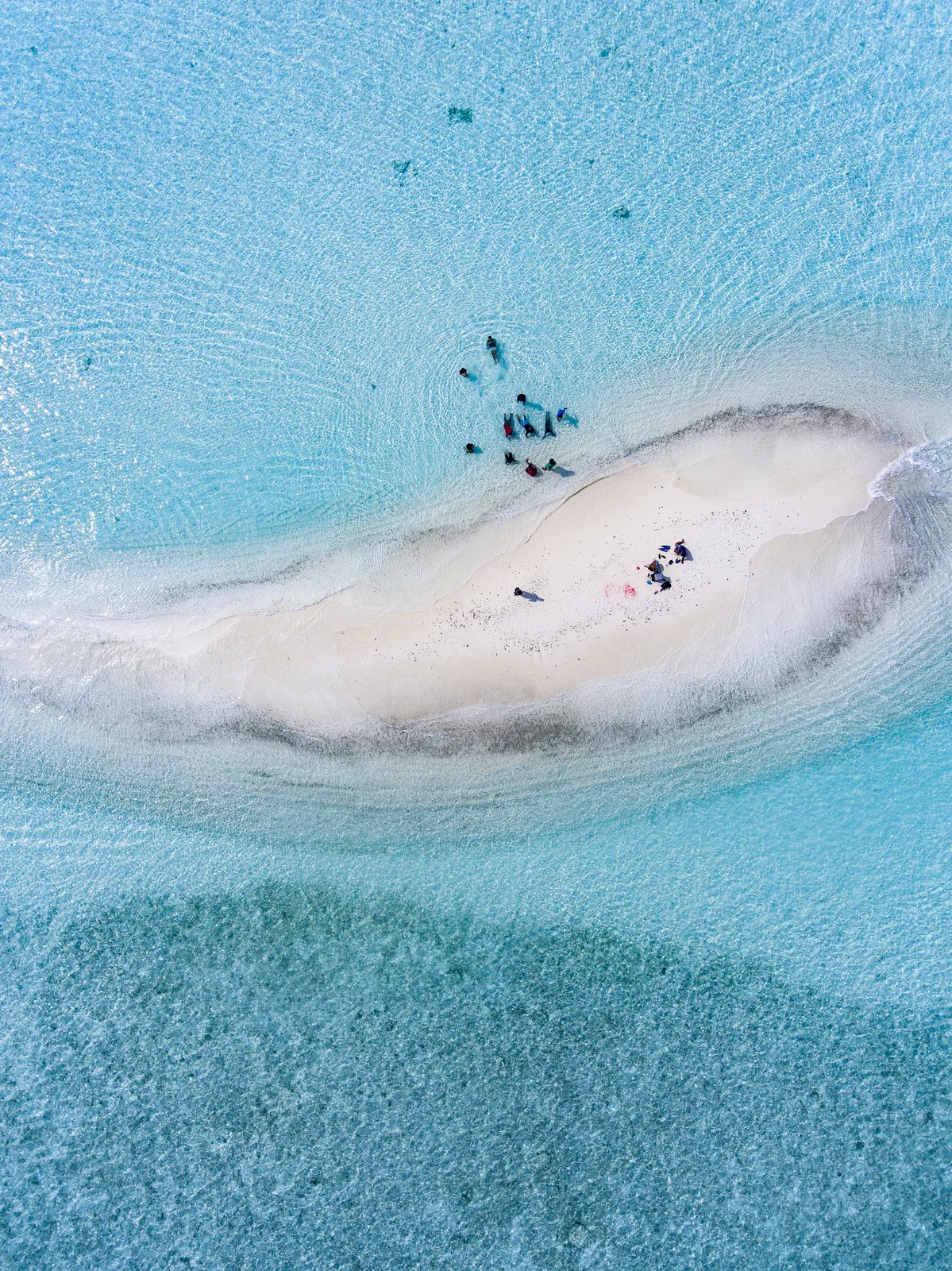
Aerial view of a Maldivian island fringed by white sand and a turquoise lagoon

The Maldives

A tropical retreat of quiet luxury

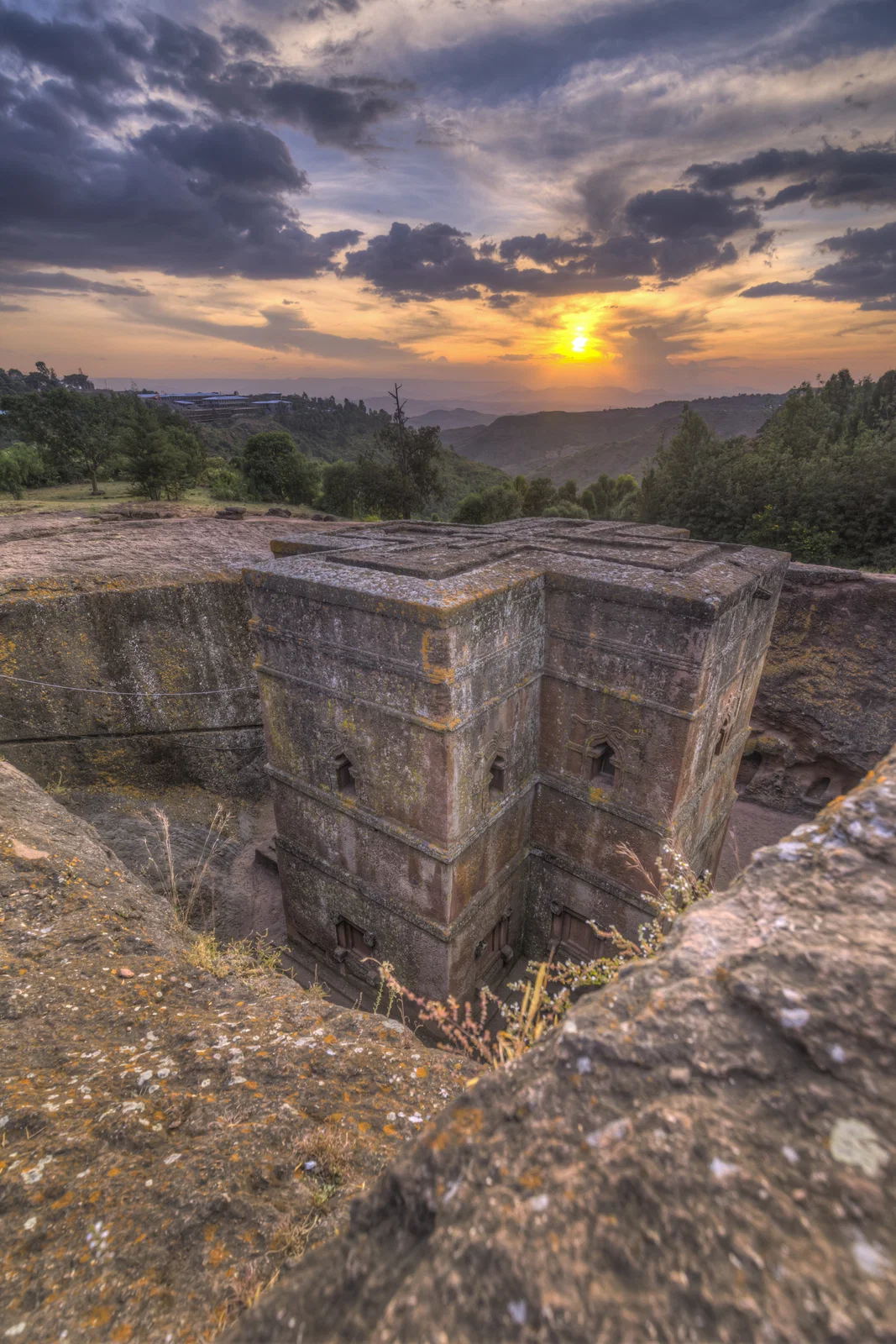
Sunset over the Church of Saint George, carved into the rock at Lalibela

Ethiopia

Land of beginnings, volcanic nature and deep African history

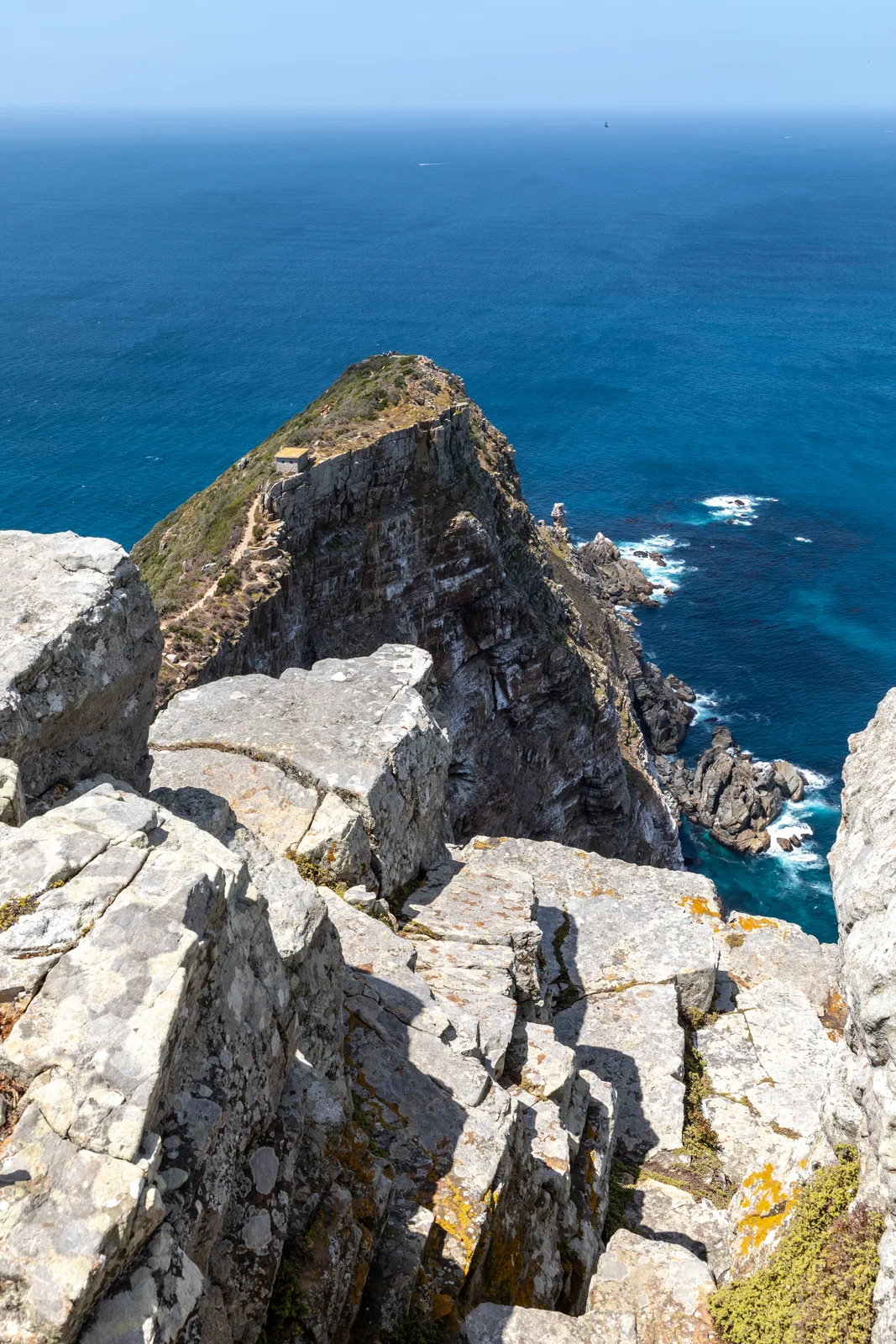
Sunset over the sea with Table Mountain and Lion's Head, from Sunset Beach, Cape Town

South Africa

The Rainbow Nation: safari, mountains and ocean

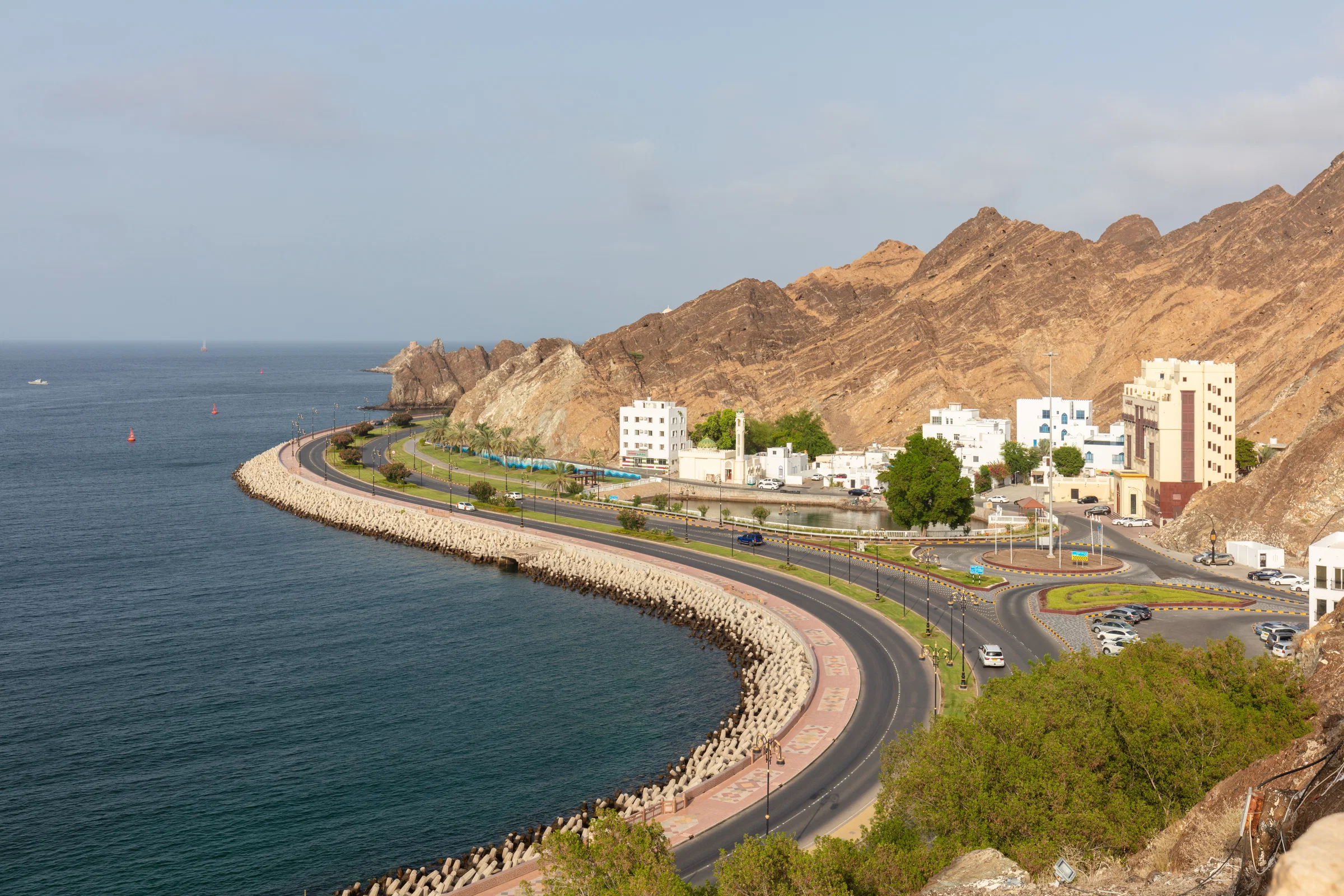
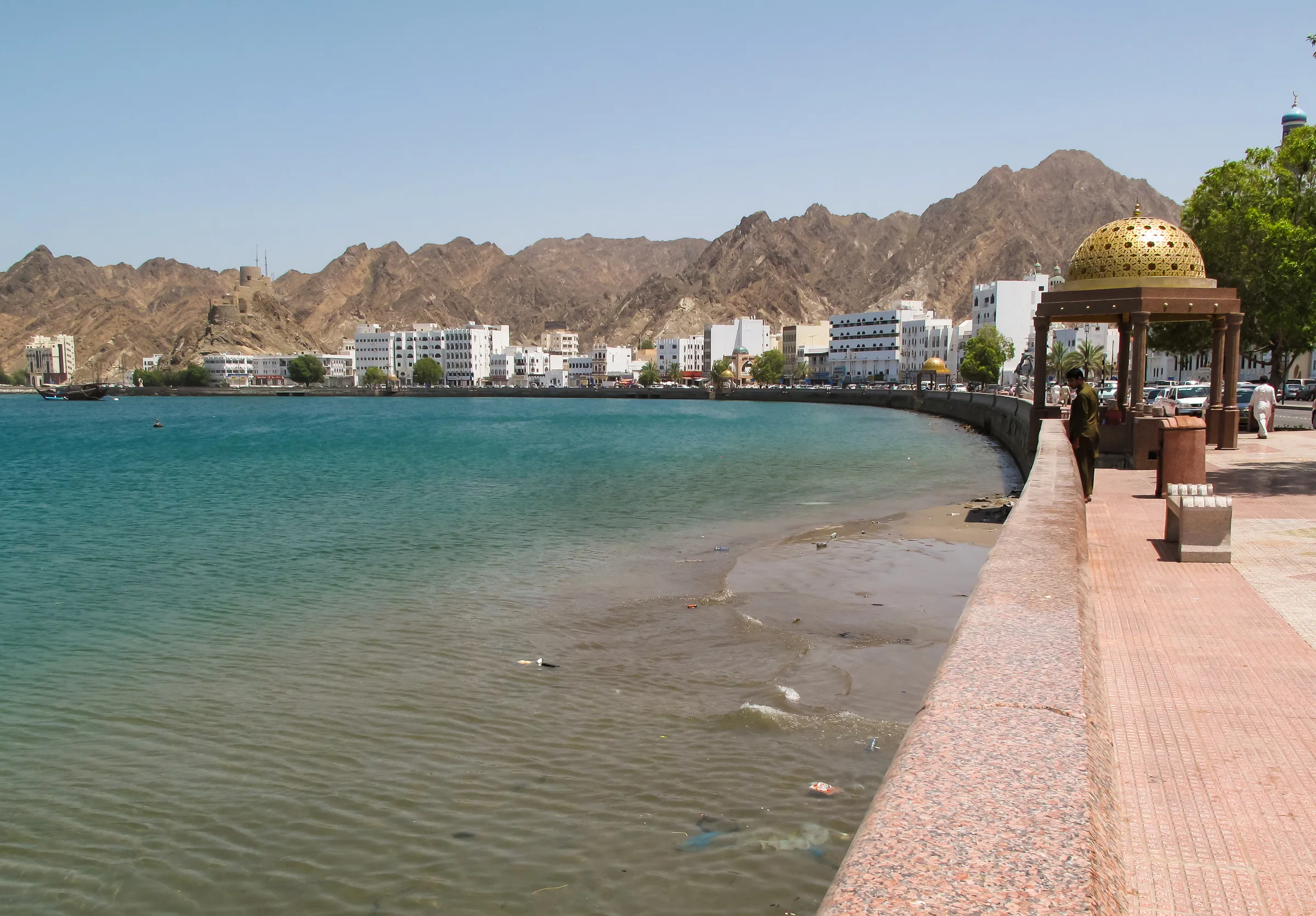
The Mutrah coast road curving between the sea and the Hajar Mountains, Muscat

Photo: Diego Delso (CC BY-SA 4.0)

Arab heritage, untouched nature and the Indian Ocean

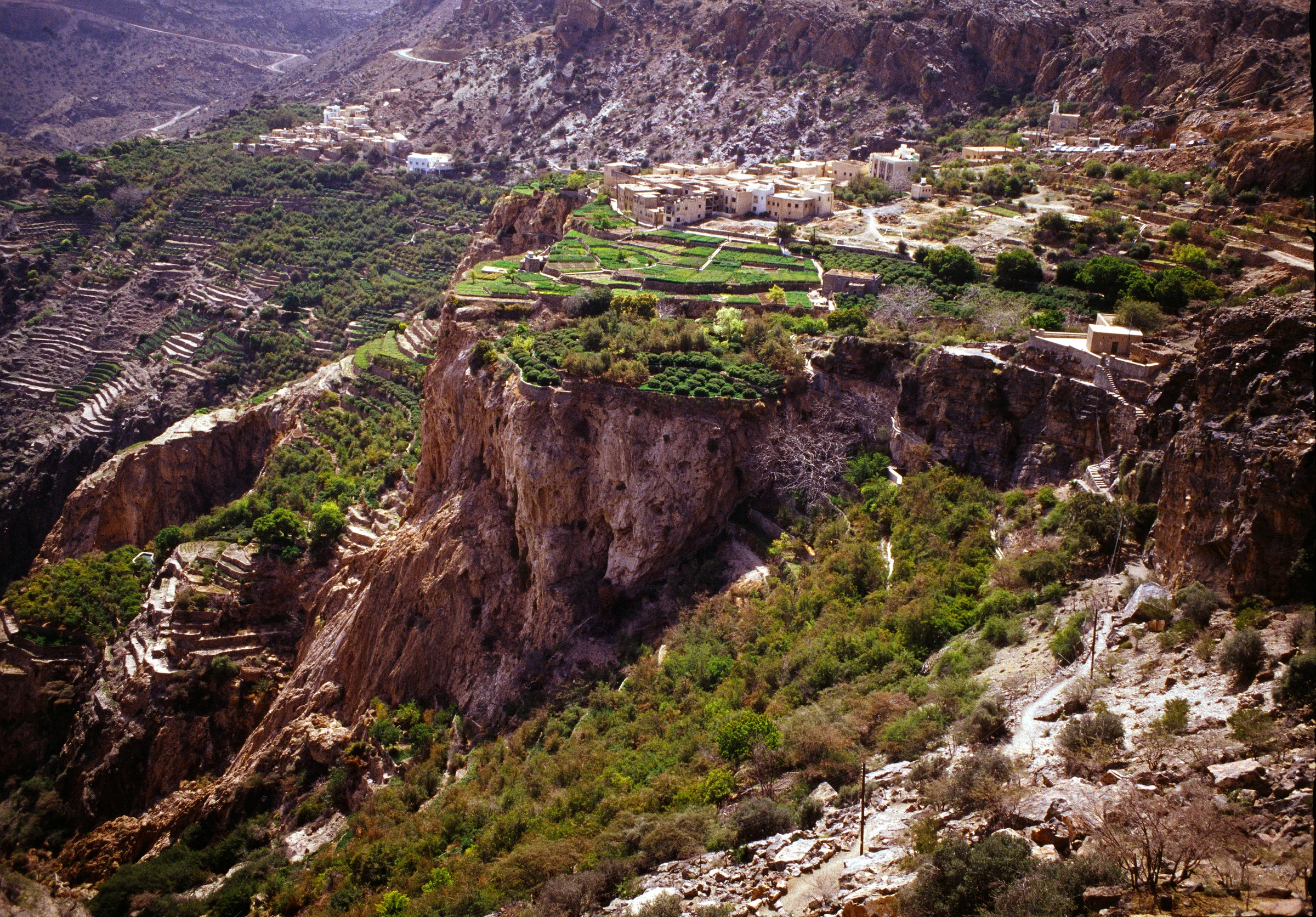
From Muscat to the Green Mountain and Salalah

In Oman, time slows down: a fort on a mountain, a wadi of turquoise water, a desert asleep under the stars.

The destination

About Oman

Oman is one of the most distinctive and peaceful destinations in the Middle East, blending a long history, genuine Arab hospitality and varied nature: high mountain ranges, golden deserts, and long beaches on the Arabian Sea and the Indian Ocean.

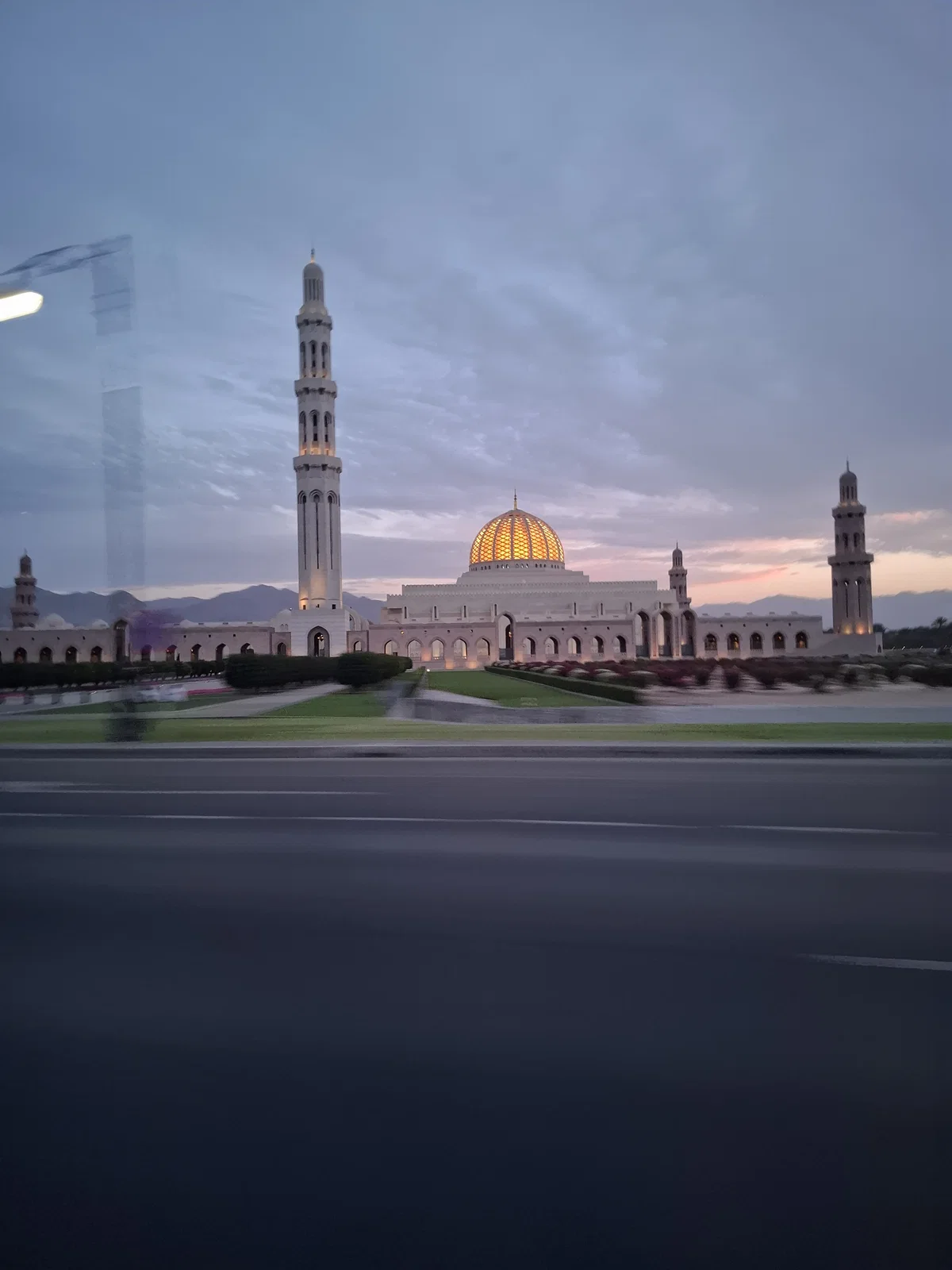
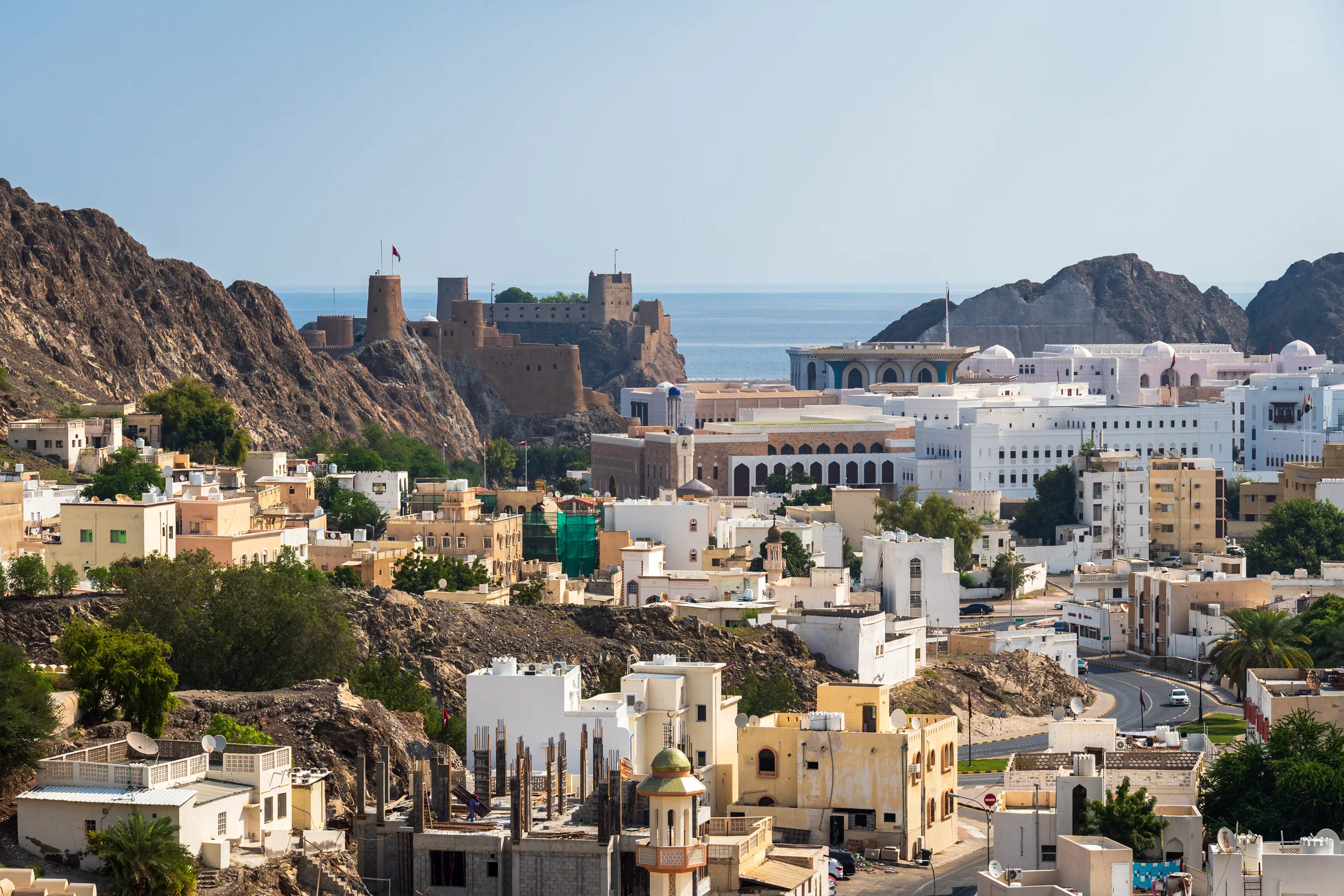
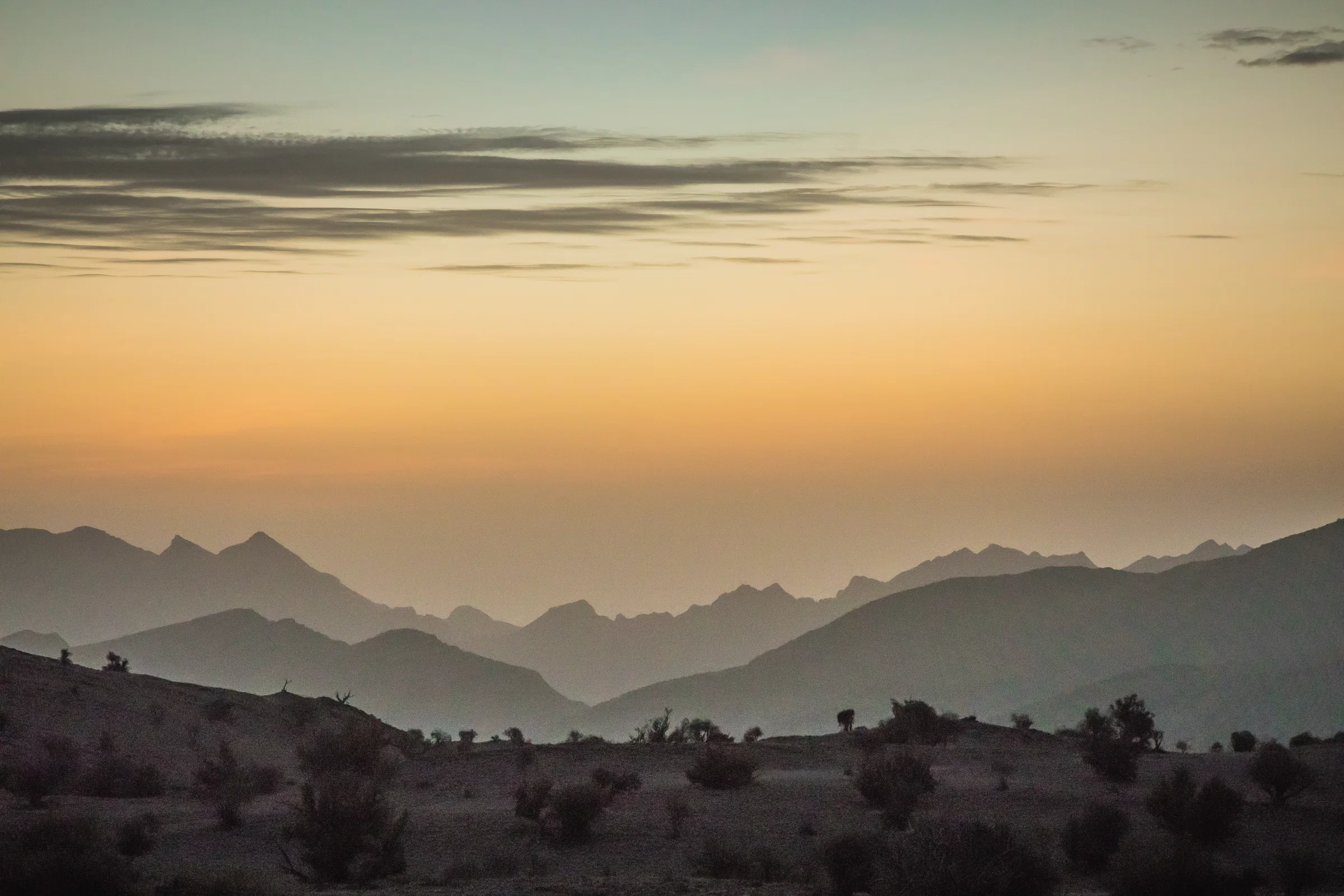
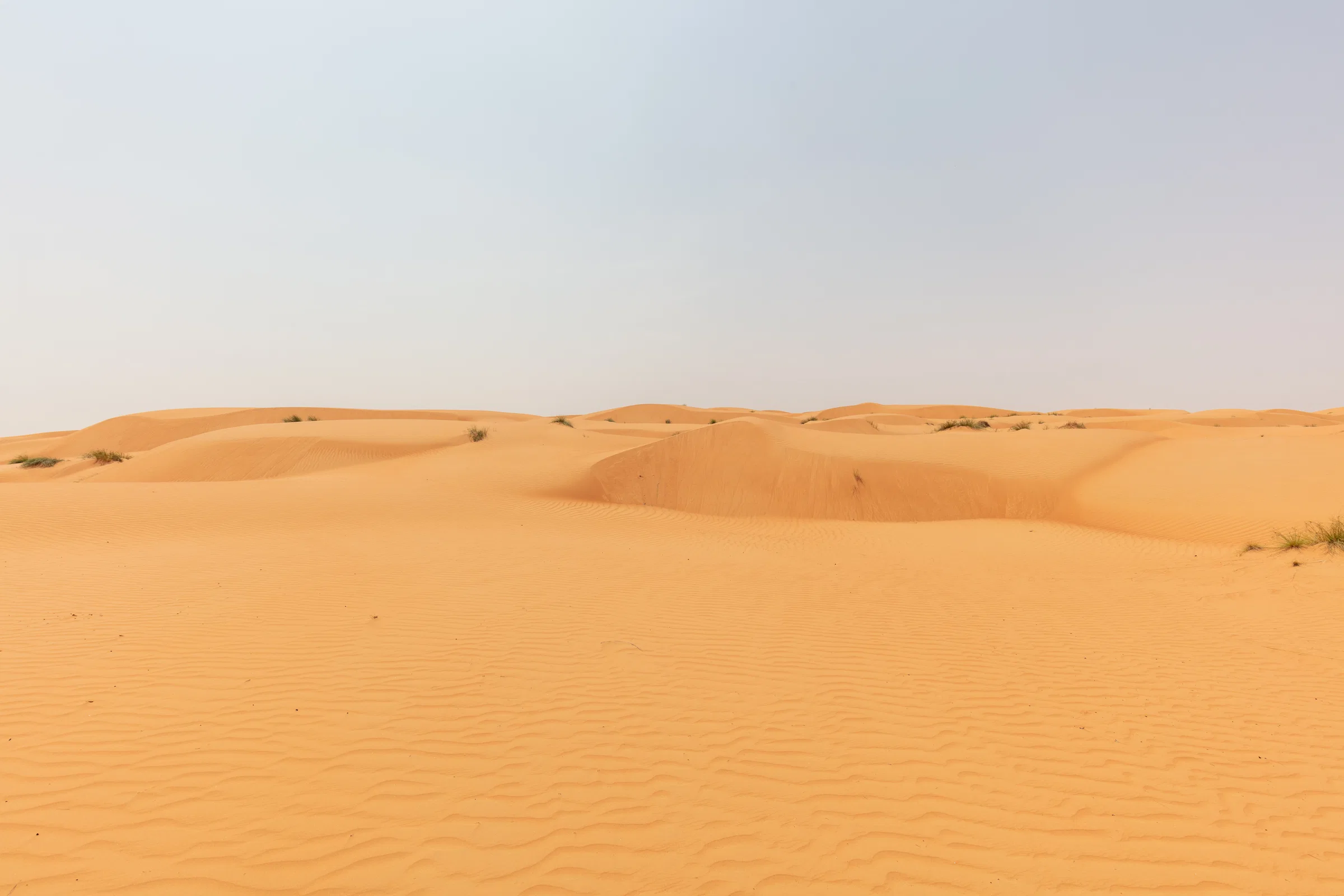
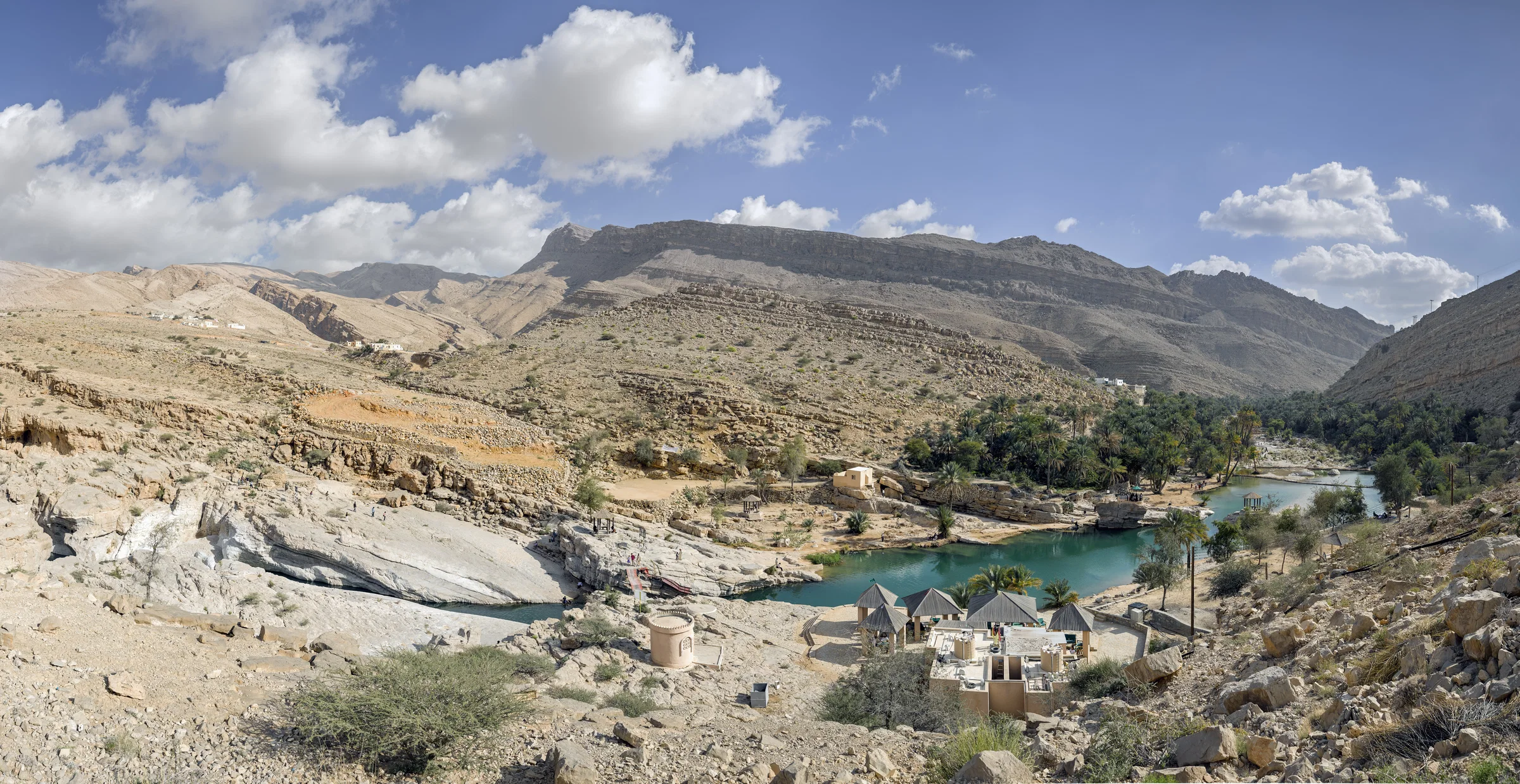
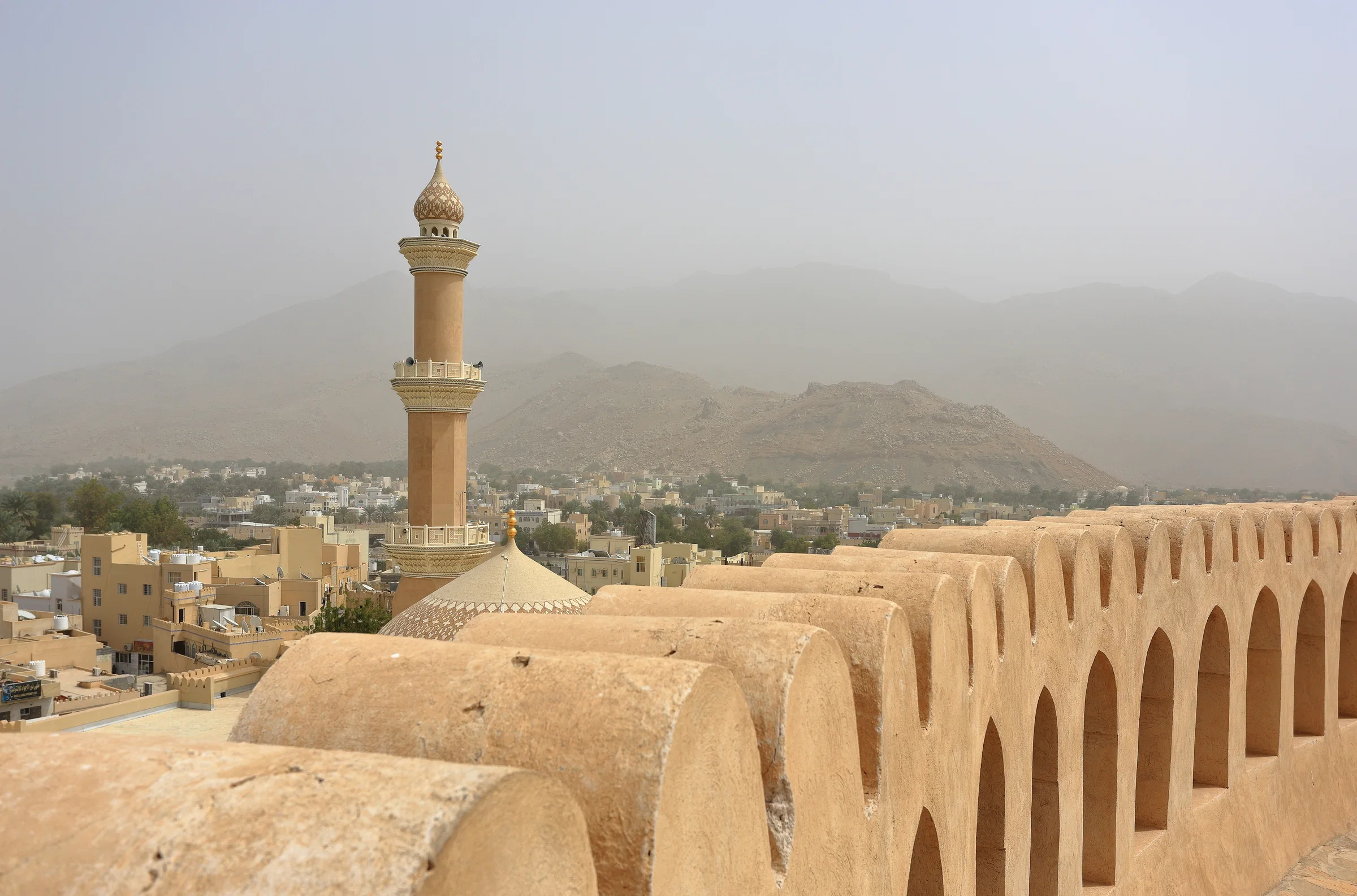
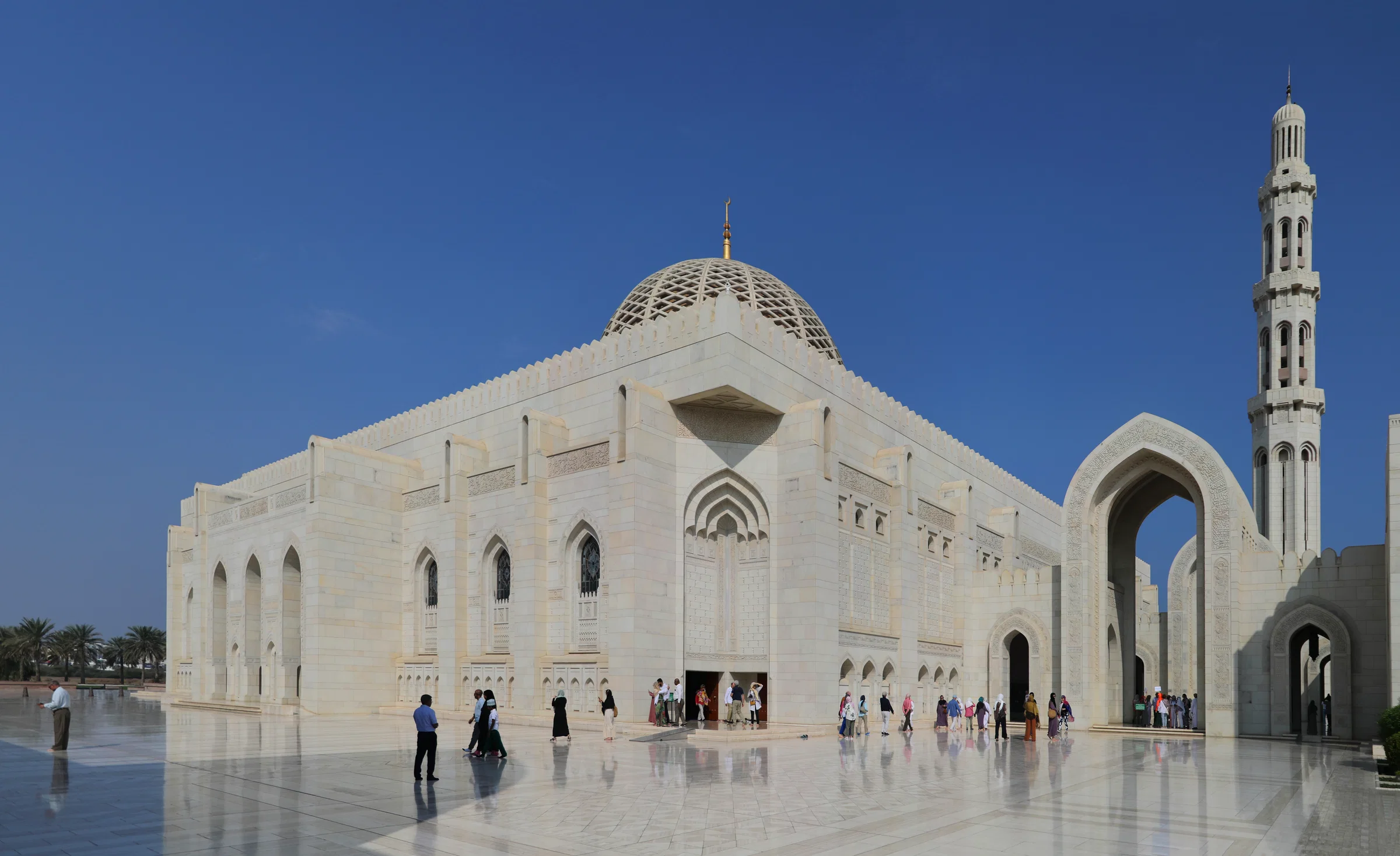
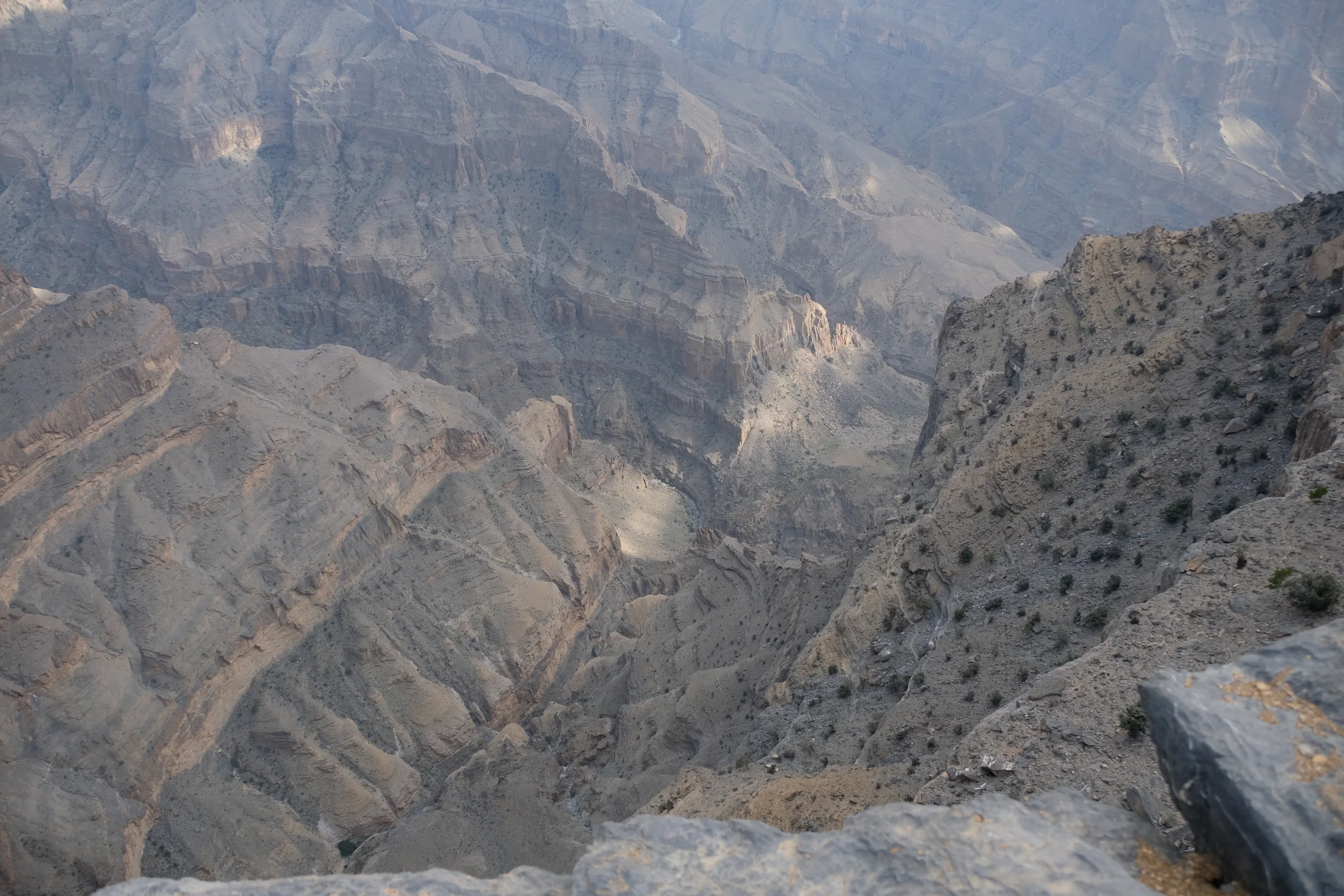
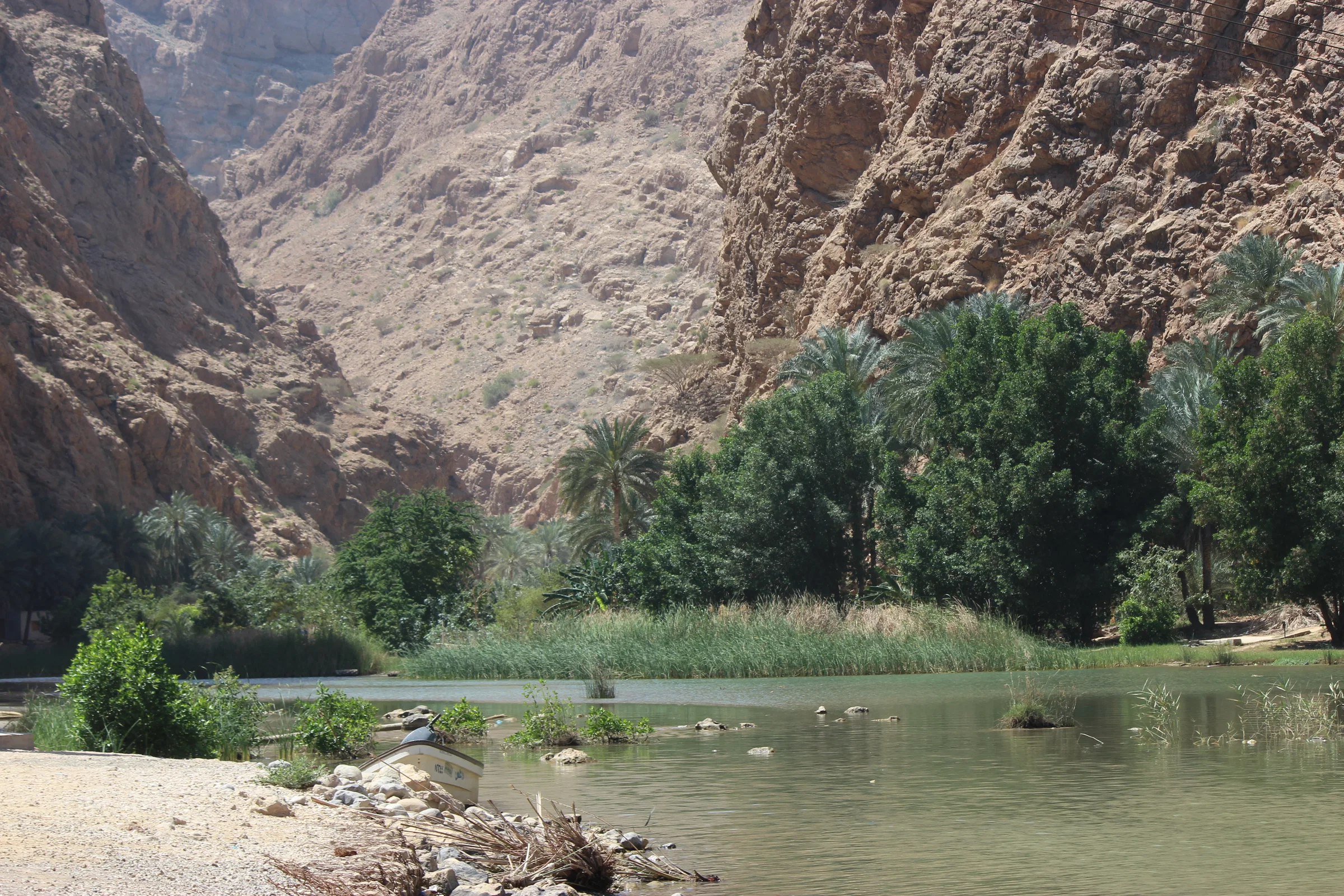
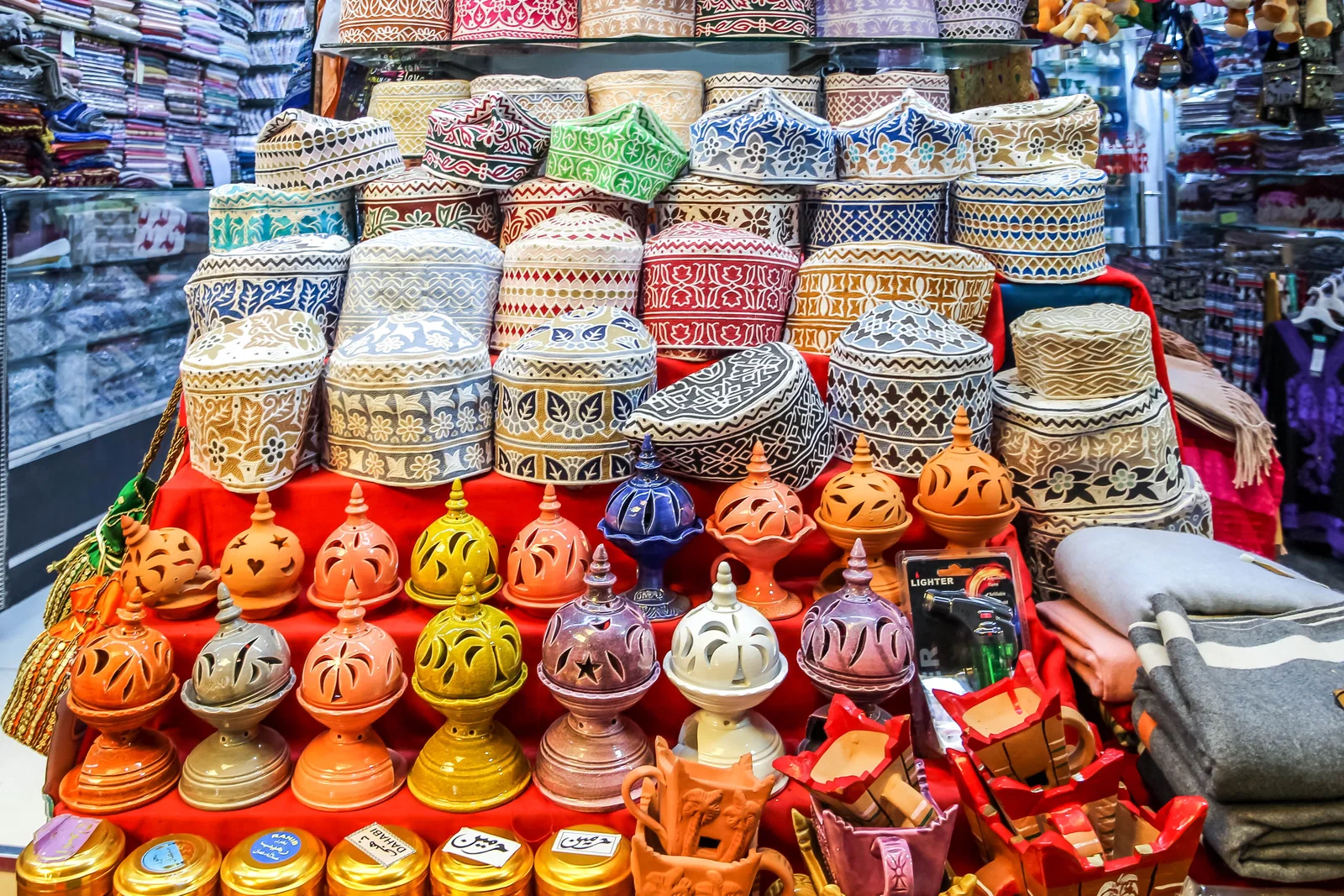
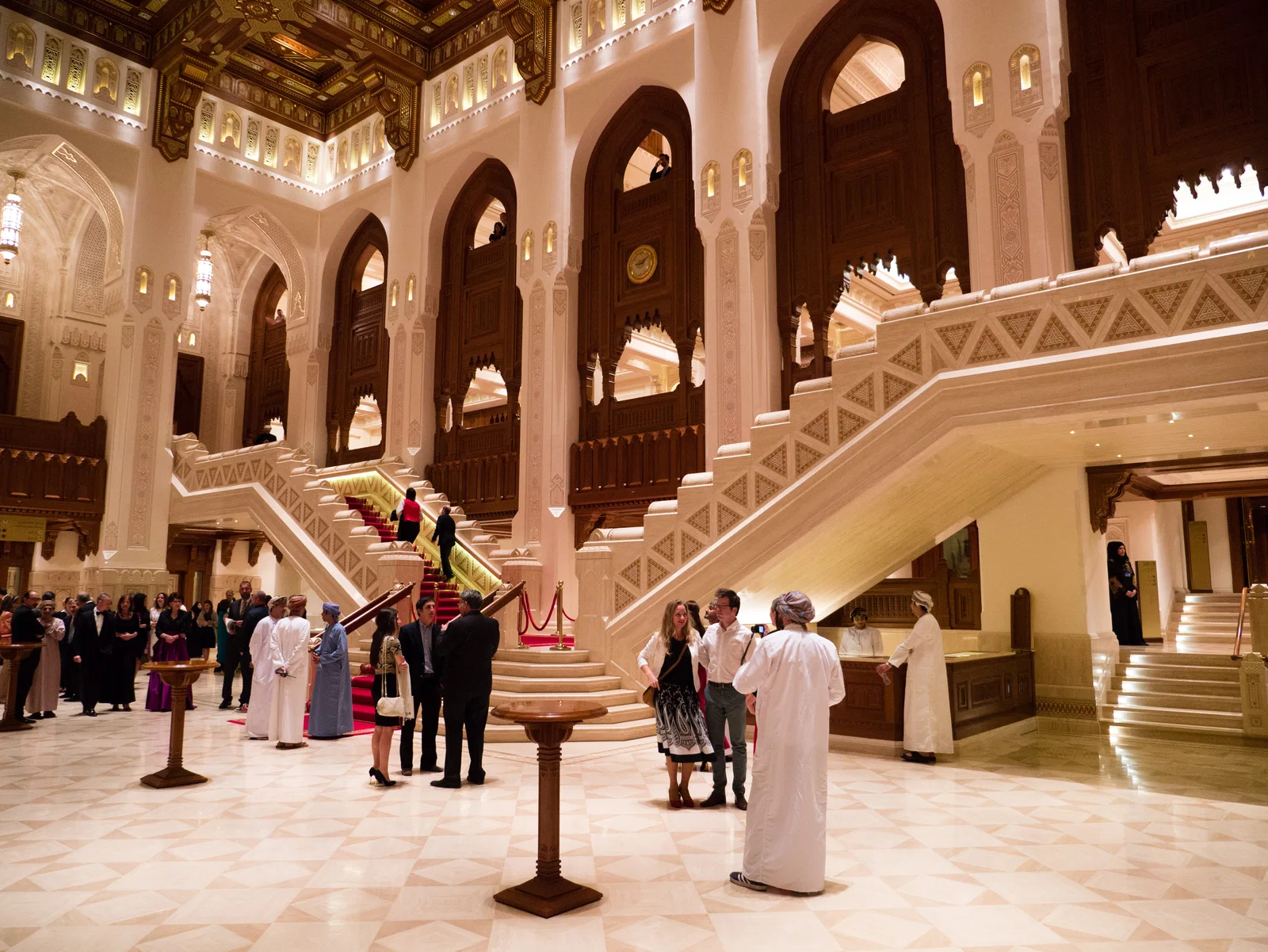
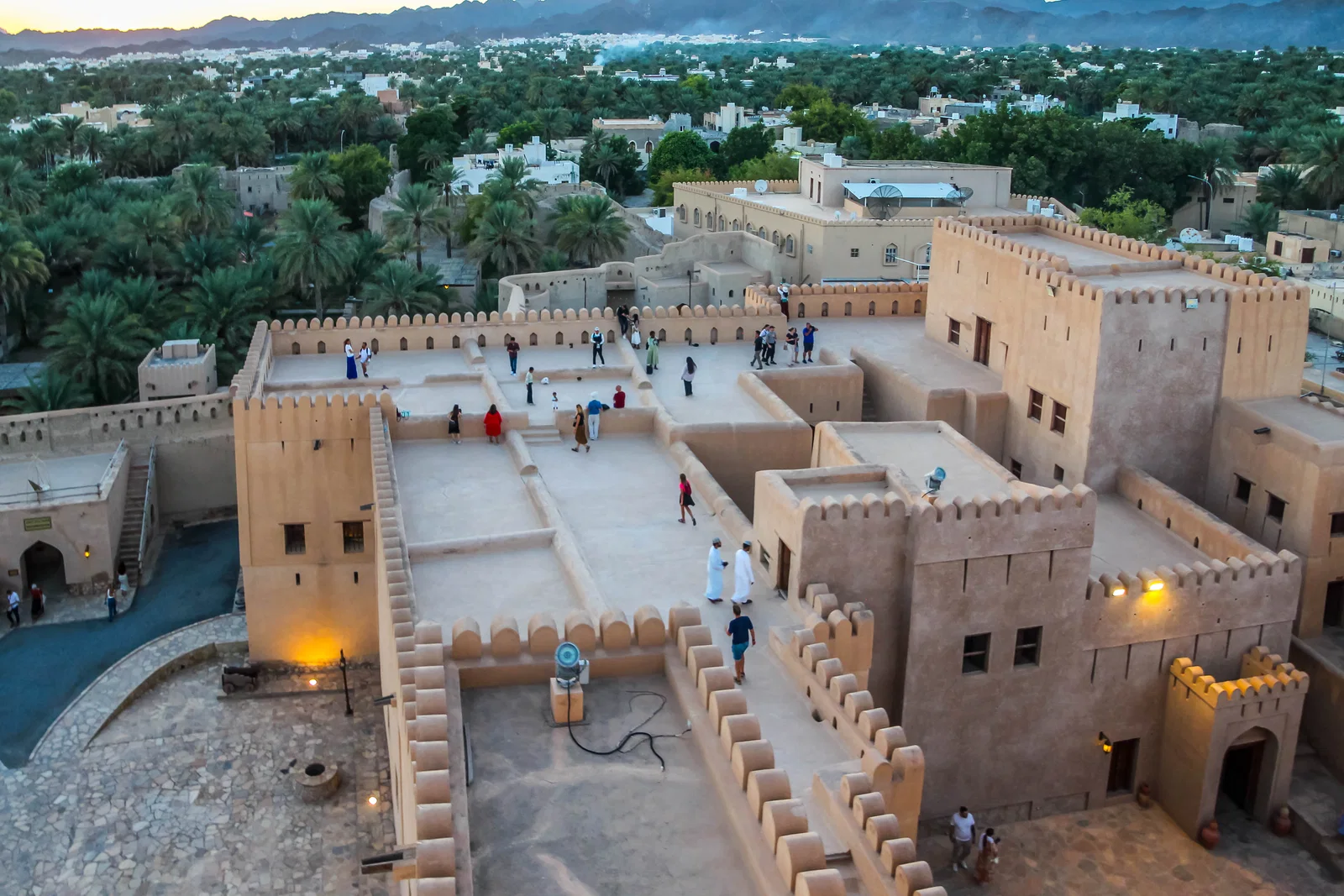
The capital, Muscat, is a white city between mountains and sea, with traditional architecture and great landmarks: the Sultan Qaboos Grand Mosque, the Royal Opera House and the historic Mutrah Souq on the Corniche. Two hours away rises Jebel Akhdar with its terraced farms and roses, Nizwa has its fort and souk, the Sharqiya has the Wahiba Sands, and the wadis of Bani Khalid and Shab run with turquoise water.

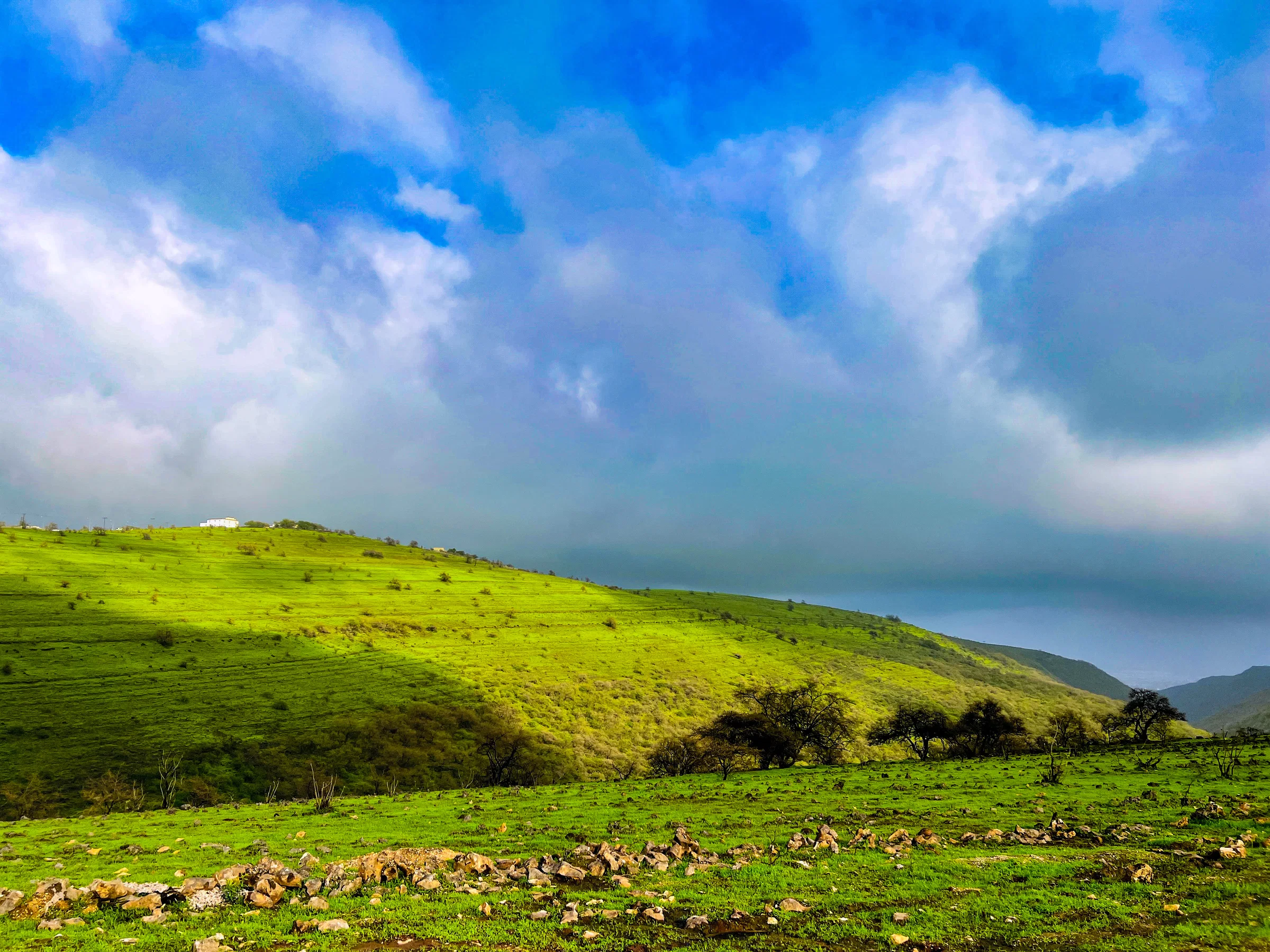
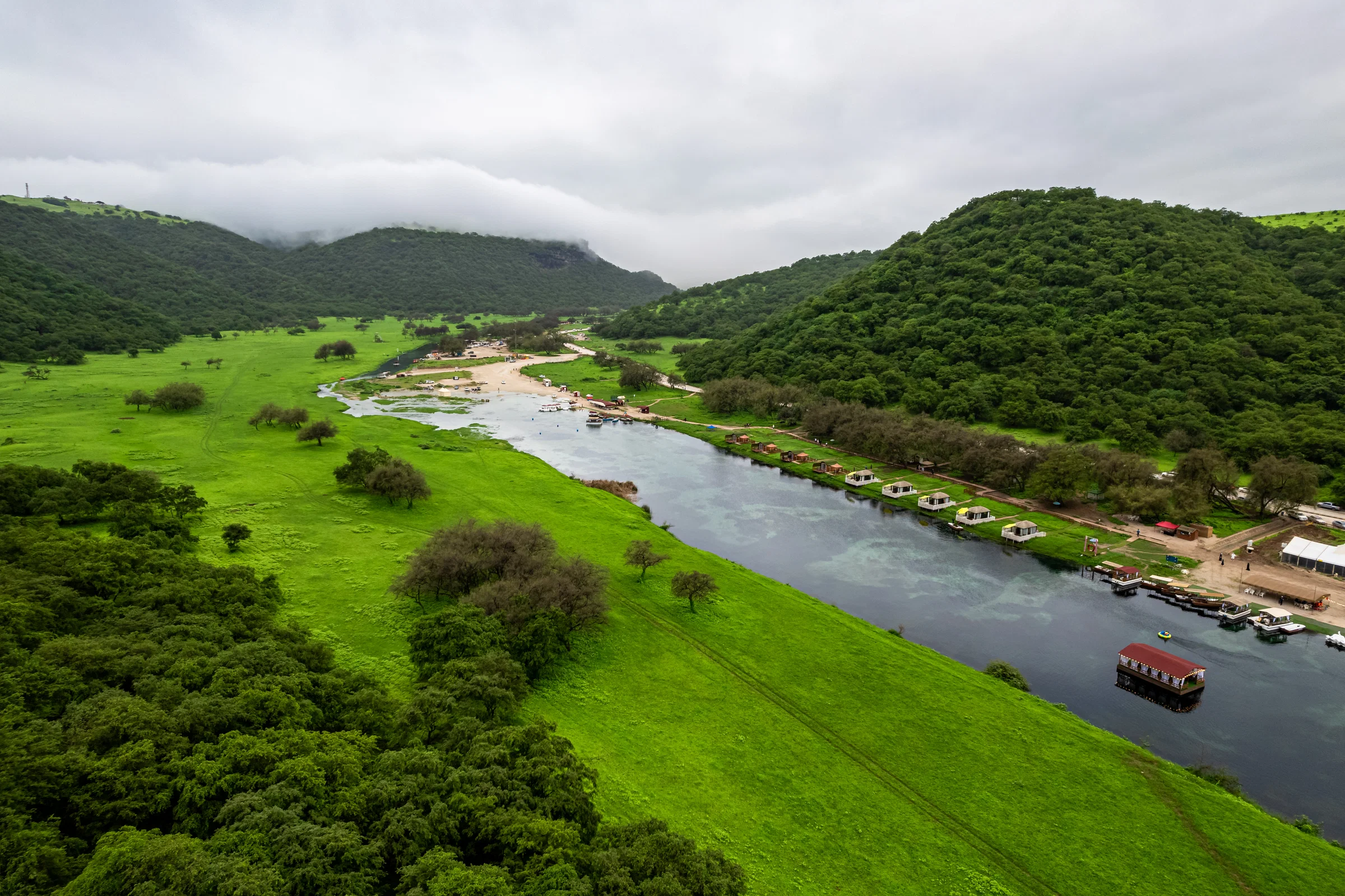
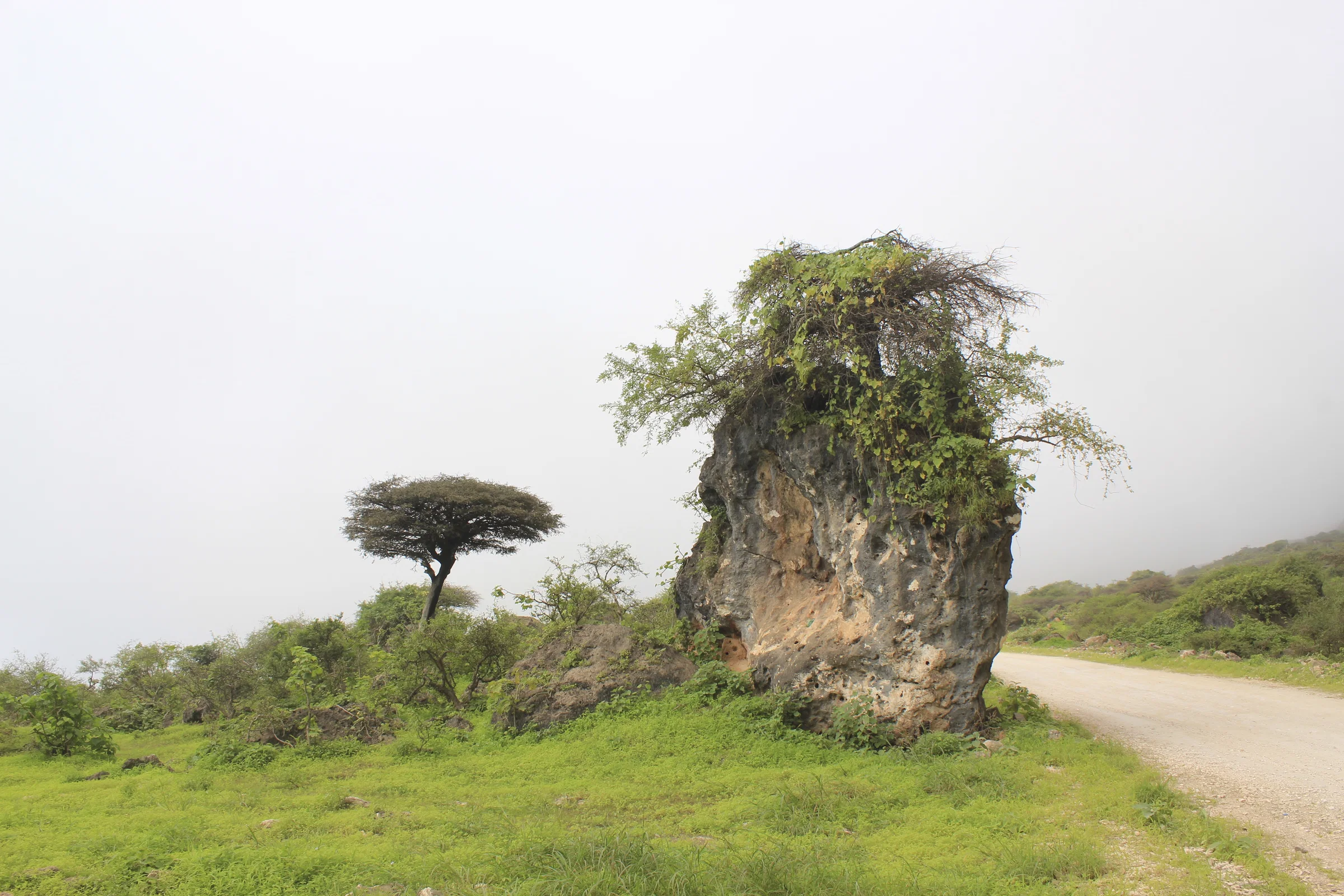
In the south lies Salalah, capital of Dhofar, which turns green and misty during the khareef season from June to September, with springs and waterfalls, and the Land of Frankincense sites on the World Heritage list.

Oman is ideal for a Gulf family: close, safe, Arabic-speaking, halal and unhurried. We recommend the north from October to April, and Salalah in the khareef.
Best timeOctober to April for Muscat, the mountains and desert; June to September for the Salalah khareef
FlightAbout 2 h direct from Riyadh to Muscat, about 3 h from Jeddah
VisaSaudi citizens need no visa; residents of Saudi Arabia apply for an e-visa from the Royal Oman Police, depending on nationality and profession
CurrencyOmani rial (OMR)
LanguageArabic; English is common in tourism
Time1 h ahead of Saudi Arabia
Ideal stay6 to 9 nights

Ideal for

Journeys

Ways to see it

Itineraries drawn up by our consultants, to adapt to you day by day.
Questions

Before you go

Do I need a visa for Oman?
Saudi citizens need no visa. Residents of Saudi Arabia apply for an e-visa on the Royal Oman Police portal; eligibility depends on nationality and profession. We help with the application, but the decision rests with the authorities.
When should we visit Muscat, and when Salalah?
Muscat, the mountains and the desert from October to April, when the weather is mild. Salalah in the khareef from June to September, when the hills are green and cool, or in winter for its warm beaches.
Is the food halal?
Yes. Food in Oman is halal, and Omani cooking is close to Saudi cooking. Hotel restaurants also serve halal international dishes.
Is it easy to pray?
Yes. There are mosques in every village and along main roads, and the call to prayer is heard everywhere. We plan your days around prayer times.
How do we get around Oman?
We recommend a four-wheel drive with a driver, which is required for Jebel Akhdar and the sands. Muscat to Salalah is a domestic flight of about an hour and a half; by road it is over 1,000 kilometres.
Is Oman safe for families?
Oman is one of the safest and calmest countries in the region, and its people are known for their kindness. The main cautions are the summer heat in the north and the wadis after rain, when flash floods can run.
What currency is used?
The Omani rial, worth more than the Saudi riyal. Cards are accepted in hotels and malls; carry cash for traditional souks and villages.
What should we wear?
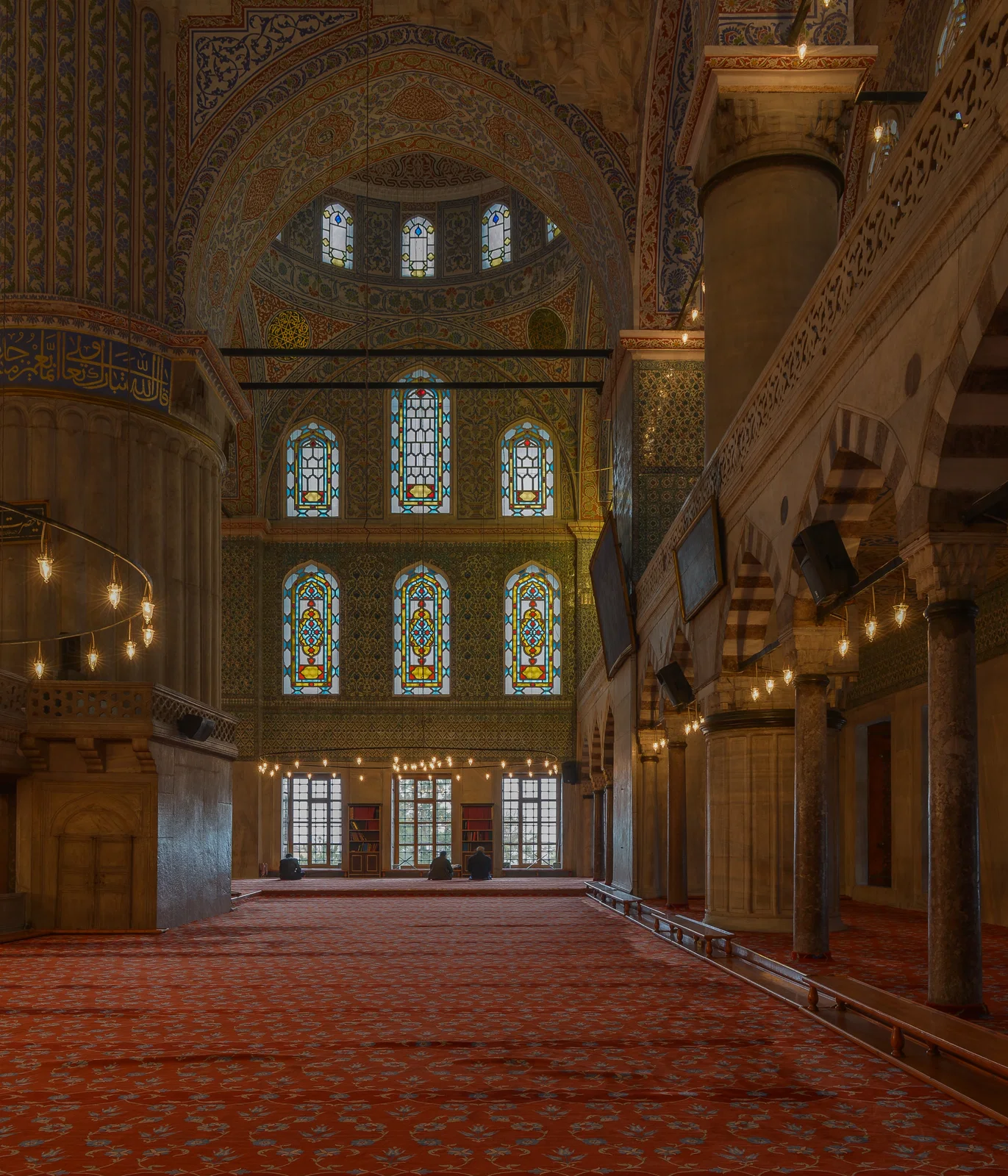
Usual Gulf dress is fine. Mosques require covering clothes and a head covering for women, and modest swimwear is expected in wadis and on public beaches. Bring warm layers for winter nights on Jebel Akhdar and in the Wahiba Sands.

Start your trip

Message us on WhatsApp